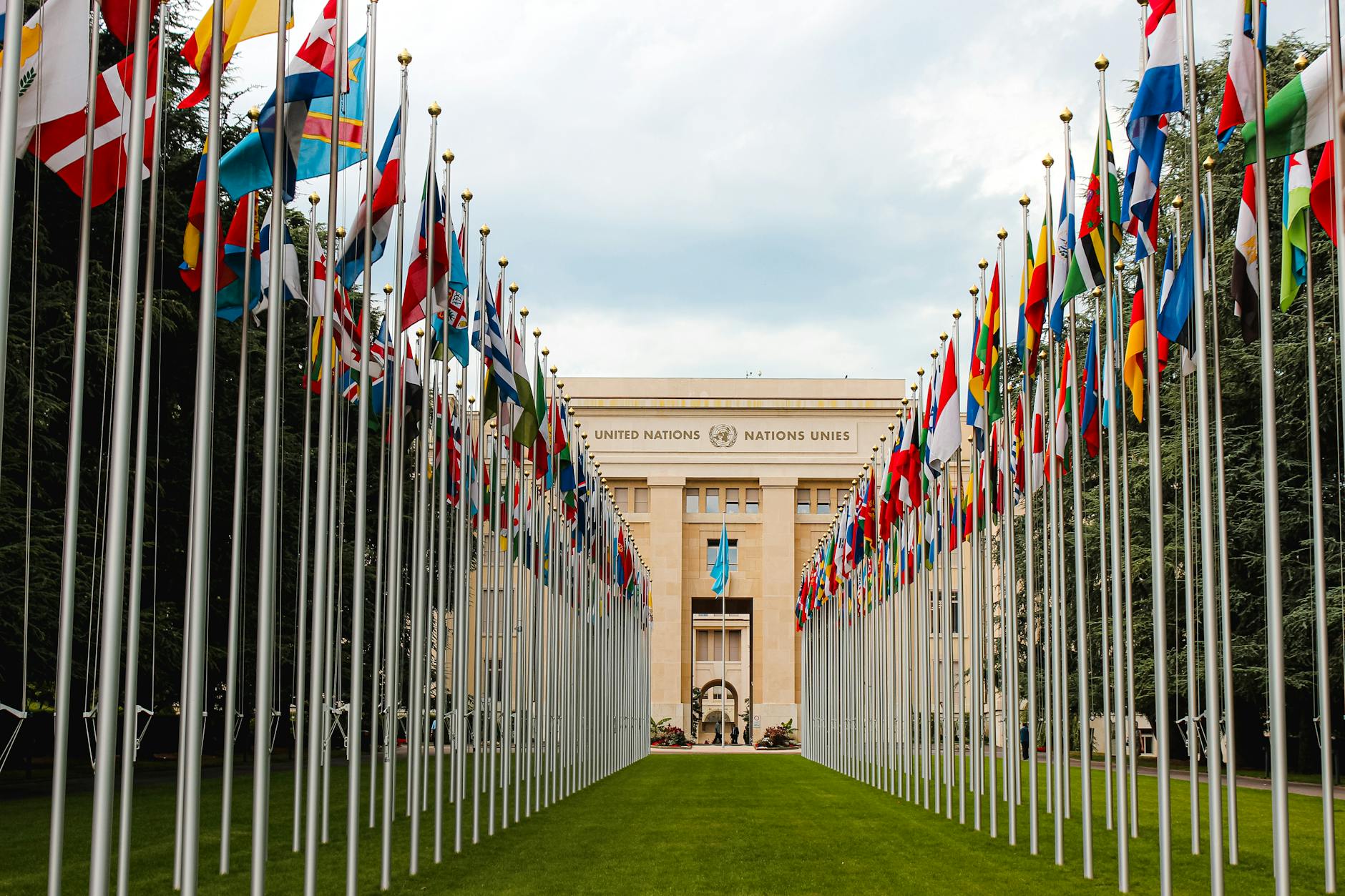
Geneva, February 17, 2026 — In a significant development in the fraught landscape of international diplomacy, Iran and the United States have reached a preliminary understanding on key "guiding principles" during high-stakes nuclear negotiations held in Geneva. Iranian Foreign Minister Abbas Araqchi disclosed that while progress has been made, a comprehensive agreement remains elusive.
Key Developments from the Talks
Araqchi emphasized the serious nature of the discussions that took place, stating, "Different ideas have been presented, these ideas have been seriously discussed, ultimately we've been able to reach a general agreement on some guiding principles." Following the dialogue, a U.S. official indicated that Iran is expected to submit detailed proposals in the coming weeks to address specific gaps in the ongoing talks, underscoring both the potential for progress and the complexities that lie ahead.
Interestingly, these discussions were mediated by Oman, where U.S. Special Envoy Steve Witkoff and Jared Kushner, son-in-law of former President Donald Trump, participated indirectly. “Much work is yet to be done,” stated Oman's Foreign Minister Badr al-Busaidi, adding that both sides have "clear next steps" to follow.
Regional Tensions and Military Maneuvers
Amid the negotiations, tensions in the region remain palpable. Iranian state media reported that part of the Strait of Hormuz, a critical chokepoint for global oil production, was temporarily closed as Iran's Revolutionary Guards executed military drills. This closure is seen as part of Iran's broader strategy to assert control over the strait, which is essential for navigating oil shipments—accounting for roughly one-fifth of global oil traffic.
Tehran has previously threatened to shut down this vital route entirely should it perceive an attack against it, raising fears of escalating conflict and soaring crude oil prices.
Iran's Firm Stance on Talks
The Iranian Supreme Leader, Ayatollah Ali Khamenei, has reiterated Iran’s refusal to entertain discussions beyond its nuclear program. This stance comes even as the U.S. pushes for broader negotiations that include Iran's missile capabilities. Khamenei made it clear that any attempts at regime change by the U.S. would lead to failure.
"The U.S. President says their army is the world's strongest, but the strongest army in the world can sometimes be slapped so hard it cannot get up," he remarked, making waves in the diplomatic community.
Prospects for an Agreement
While the Geneva talks may represent a "new window of opportunity," as stated by Araqchi, significant roadblocks remain. The U.S. has insisted on lifting crippling sanctions as part of the negotiation process, while Iran's leaders have made it clear that they will not abandon uranium enrichment, deeming it essential for their national security.
Moreover, the former President Trump expressed indirect involvement in the discussions, asserting his belief that Iran yearns for a deal. "I don't think they want the consequences of not making a deal," Trump remarked, referencing past military interventions aimed at curtailing Iran's nuclear potential.
Conclusion
As the geopolitical landscape remains charged with uncertainty, the outcome of these discussions could have profound implications for regional stability and international relations. Both nations face immense pressure from competing domestic and international forces, and the next steps will be crucial in determining whether an agreement can be forged or if the shadows of conflict will loom ever larger.
For ongoing updates on these developments, check Reuters and follow the latest discussions as the situation unfolds.