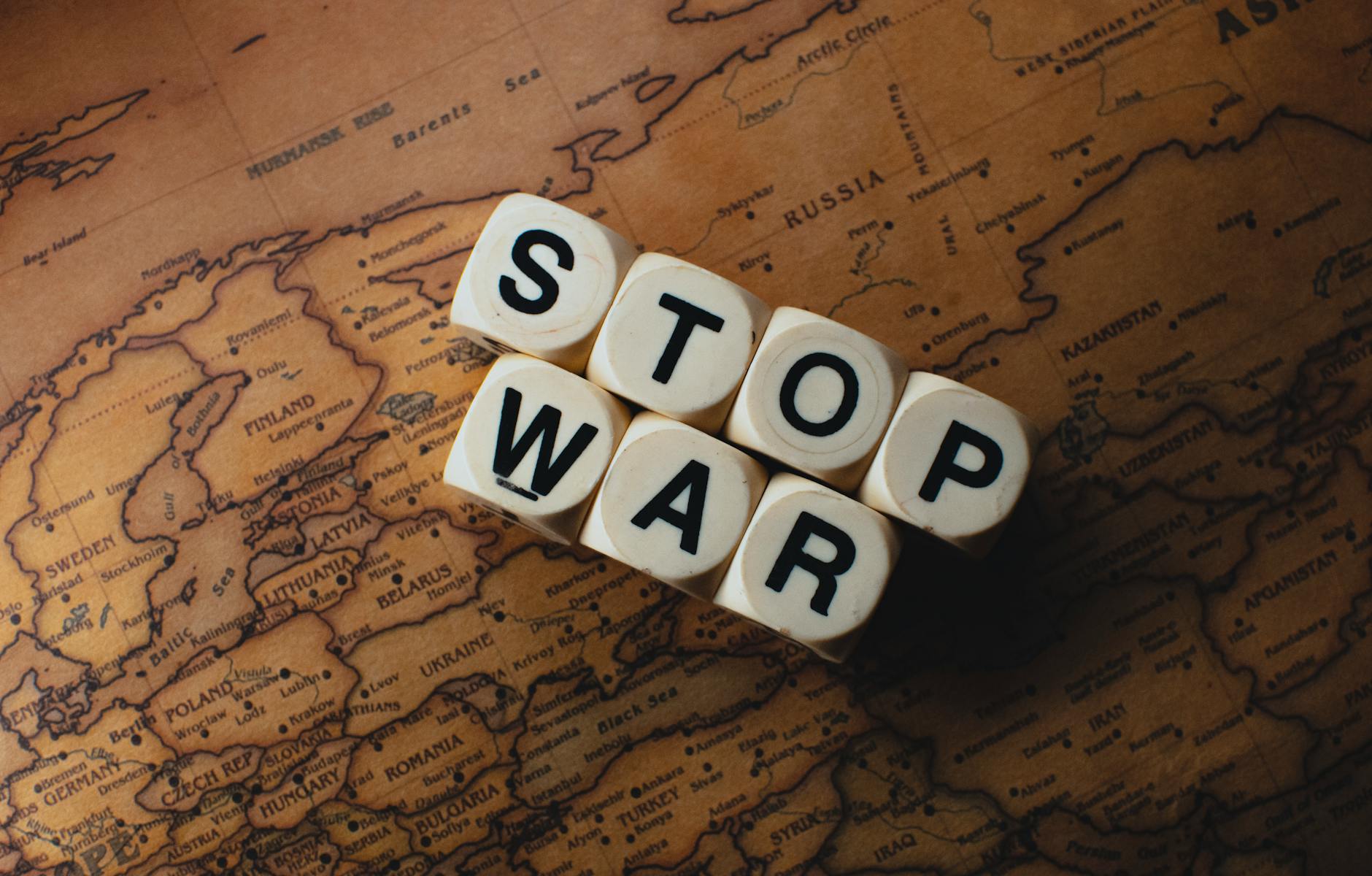
GENEVA, Feb 17, 2026 – Peace negotiations between Ukraine and Russia have resumed in Geneva for two critical days of discussions, mediated by the United States. However, hopes for breakthroughs are low as contentious issues, particularly land disputes, dominate the agenda. The meeting, prompted by escalating tensions and the upcoming anniversary of Russia's invasion, showcases the difficulty of attaining a diplomatic resolution to Europe’s most significant conflict in decades.
Background: The Stalled Peace Process
This latest round of negotiations follows two earlier meetings in Abu Dhabi, where discussions were described as constructive but failed to yield substantial outcomes. Lead Ukrainian negotiator, Rustem Umerov, emphasized a focus on "security and humanitarian issues," expressing cautious optimism. He stated, "We are working constructively, focused and without excessive expectations. Our task is to maximally advance those solutions that can bring sustainable peace closer."
Despite this constructive dialogue, the overwhelming sentiment is overshadowed by recent military actions. Ahead of the talks, Russia launched extensive airstrikes across Ukraine, causing considerable destruction, particularly to the power grid in Odesa. Ukrainian President Volodymyr Zelenskiy condemned these attacks, urging allies to intensify pressure on Russia through stringent sanctions and increased military support.
U.S. Involvement: A Complicated Dynamic
U.S. President Donald Trump has placed pressure on both nations to expedite a resolution. During a flight aboard Air Force One, he remarked on the urgency for Ukraine to come to the negotiating table, saying, "It's going to be very easy… Ukraine better come to the table fast." This sentiment reflects the intricate dynamics at play—not only are the U.S. envoys representing the Trump administration at the peace talks, but they are also concurrently involved in discussions with Iranian officials elsewhere in Geneva.
Key Issues and Divergent Perspectives
At the heart of the deliberations is the contentious issue of territory, particularly surrounding the Donetsk region, where Ukraine currently controls only about 80%. Russia has been adamant about its demands for Ukraine to relinquish more land, a request that has been met with staunch resistance from Kyiv. Kremlin spokesman Dmitry Peskov highlighted that the upcoming discussions seek to address a "broader range of issues," though skepticism remains prevalent among those affected by the war.
Concerns over the leadership in these negotiations have further contributed to doubts regarding their effectiveness. Medinsky, who has previously caused friction during talks, leads the Russian delegation. Past accusations from Ukrainian negotiators that Medinsky has used historical narratives to justify aggressive actions have resulted in low expectations for meaningful dialogue.
Zelenskiy has expressed frustration with the pressure exerted on Ukraine to make concessions while reiterating the need for honest and serious negotiation channels. He stated recently, “It sometimes feels like the sides are talking about completely different things.”
The Human Cost: Despair Amidst Hopes for Peace
As peace efforts attempt to recommence, the grim reality for many on the ground is tenuous. Civilians continue to endure the harsh winter amid ongoing military assaults. The airstrikes have left many without heating and power during one of the coldest seasons on record, with tens of thousands affected in already beleaguered regions. Internally displaced individuals, like Oksana Reviakina from Melitopol, remain skeptical about the talks, stating, "One shouldn't trust the Russians absolutely, not even a little."
Looking Forward: The Path Ahead
As the peace talks unfold, observers are left to ponder what steps could lead to a genuine resolution. Key unresolved issues, including governance over the Zaporizhzhia nuclear power plant and the potential involvement of Western troops post-conflict, remain on the table.
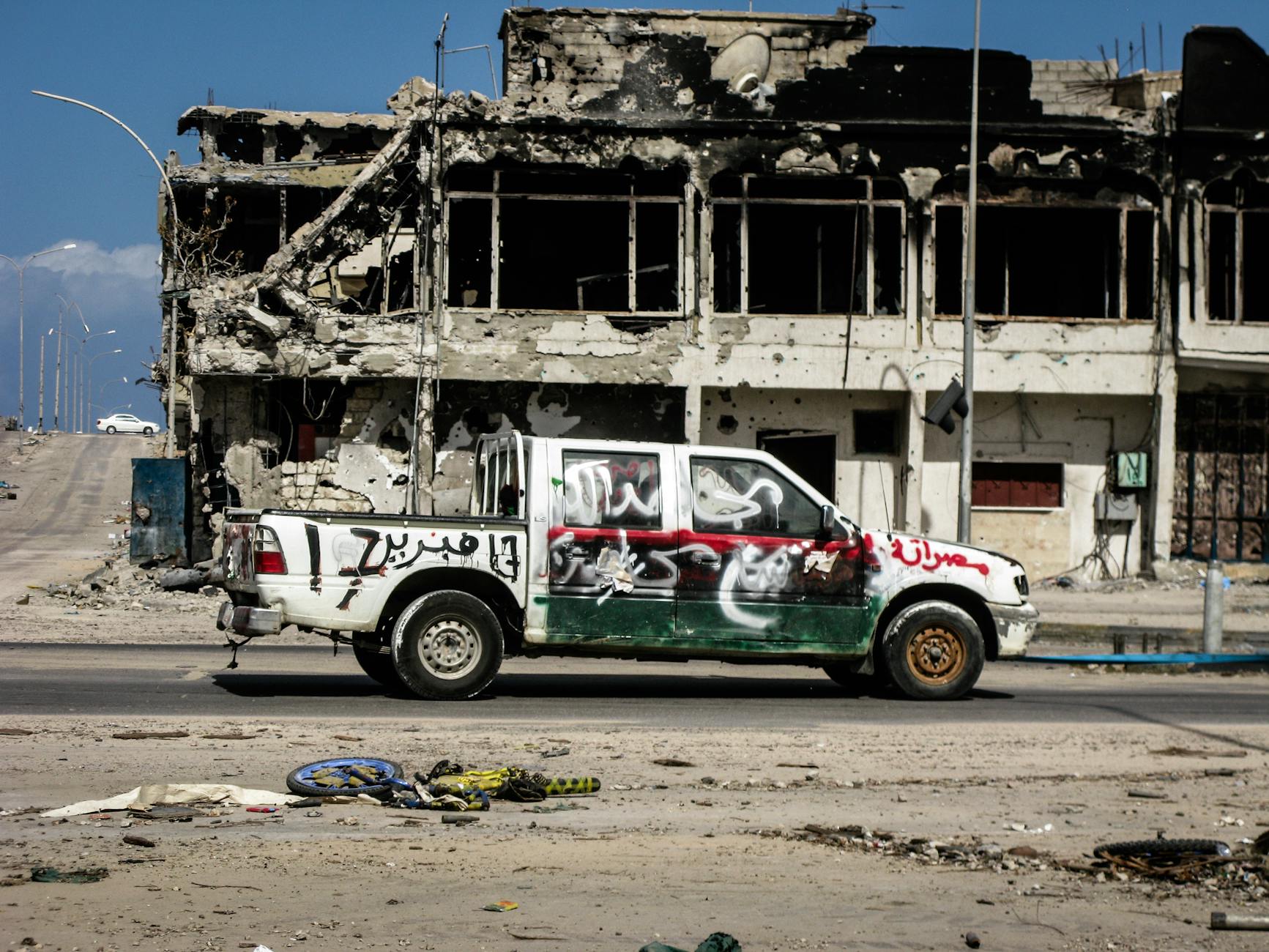
With the clock ticking towards the fourth anniversary of Russia's full-scale invasion on February 24, the world watches anxiously. The heavy toll of lives lost, millions displaced, and cities reduced to ruins underscores the urgent need for diplomacy to prevail. As negotiations proceed, whether these discussions can transcend mere dialogue remains uncertain, leaving the hope for peace delicately balanced against the realities of war.
For ongoing coverage of the Russia-Ukraine conflict, visit our archives here.