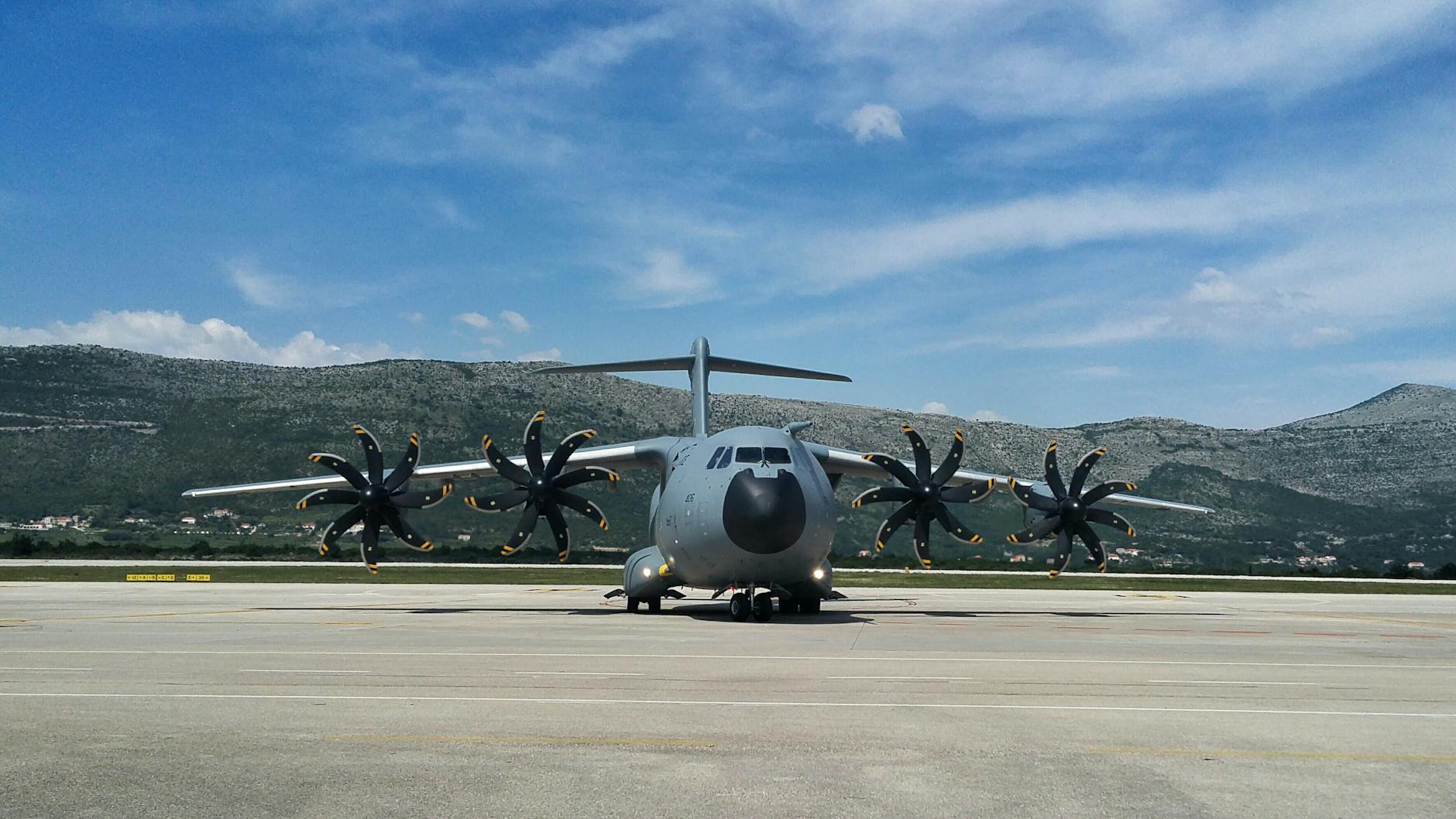
BOGOTÁ, March 23, 2026 – A catastrophic aviation accident involving a Colombian Air Force transport plane has shaken the nation, claiming at least 34 lives and leaving many more in dire condition. The Lockheed Martin-built Hercules C-130 aircraft crashed shortly after takeoff from Puerto Leguizamo, located in the southern Amazon region near the Peruvian border.
Overview of the Incident
On Monday, as the C-130 attempted to lift off, it reportedly suffered a critical failure, resulting in a crash just off the runway. Local authorities, including Jhon Gabriel Molina, the governor of the Putumayo department, have confirmed the grim details. "As of now, we have 34 confirmed fatalities, 70 injuries, and 21 individuals are still unaccounted for," Molina stated during an interview with Noticias Caracol. “These figures could change as rescue efforts continue.”
The aircraft, which had a passenger count of 125—including 110 soldiers and 11 crew members—was undertaking a routine military operation. Eyewitness accounts describe the plane hitting the ground forcefully, followed by an explosion fueled by munitions on board.
Firefighter Eduardo San Juan Callejas shared harrowing details from the crash site, indicating that the plane's wing clipped a tree during its descent, which likely contributed to the ensuing fire and blast. The response to the incident has been bolstered by local residents, who rushed to rescue survivors on motorcycles before military vehicles could navigate the challenging terrain to reach the site.
Search and Rescue Operations
Efforts to locate missing individuals and assist survivors have faced significant hurdles, owing to the remote location of the crash site and harsh conditions. While there were many local heroes in the initial response, specialized rescue operations have been hampered by the challenging landscape.
Early Responses
Colombia's military has mobilized to assess the situation and reconcile conflicting reports about the total number of individuals on board. Initial military reports listed 121 occupants, while this discrepancy has raised concerns over accountability and accurate reporting amidst an unfolding tragedy.
Calls for Action and Investigation
In the wake of this disaster, Colombian President Gustavo Petro has voiced criticism over delays in military modernization, which he attributes to bureaucratic hurdles. “I will grant no further delays; it is the lives of our young people that are at stake," he stated on social media, emphasizing the need for urgent reforms and accountability within the military infrastructure.
“This tragedy highlights the urgent need to modernize our aging military fleet,” said President Petro, who is nearing the end of his term.
In light of the investigation into the crash, Lockheed Martin has expressed its commitment to support Colombian authorities and provide necessary assistance as they seek to understand the cause of this disastrous incident.
A History of C-130 Use in Colombia
The Hercules C-130 has a long-standing operational history within Colombia's military, mainly used for transporting troops in the ongoing internal conflict that has plagued the country for more than sixty years. While many of these aircraft were acquired in the late 1960s, they have been partially modernized through U.S. assistance, indicating a reliance on aging technology amid a pressing need for an updated fleet.
Tragically, this event echoes a recent incident involving a Bolivian Air Force C-130, which experienced a similar misfortune, raising questions about the safety and operational effectiveness of these long-serving military aircraft.
Conclusion
As Colombia grapples with this heart-wrenching tragedy, the focus shifts towards recovery efforts and a comprehensive investigation to determine accountability and safety improvements for future military operations. The gravity of this incident serves as a sobering reminder of the human costs associated with military service and the importance of prioritizing the safety of personnel and equipment alike.
In the days to come, the nation will mourn those lost, while calling for necessary policy changes to prevent future tragedies of this magnitude.