CAIRO/DUBAI, March 29, 2026 – The geopolitical landscape of the Middle East has shifted dramatically, with the Iran-aligned Houthi movement from Yemen launching its first attacks on Israel since the onset of the ongoing Iran war. This new phase of conflict marks a significant escalation, potentially altering the regional balance and intensifying the threat to global shipping routes.
New Players Enter the Fray
Yemen, historically a backseat player in the Iran war, has now positioned itself on the frontline. On Saturday, Houthi forces executed attacks against Israel, a showcase of their capabilities and determination to align with Tehran's objectives. The military spokesperson for the Houthis, Yahya Saree, confidently declared further strikes would follow, emphasizing their commitment to the Iranian cause.
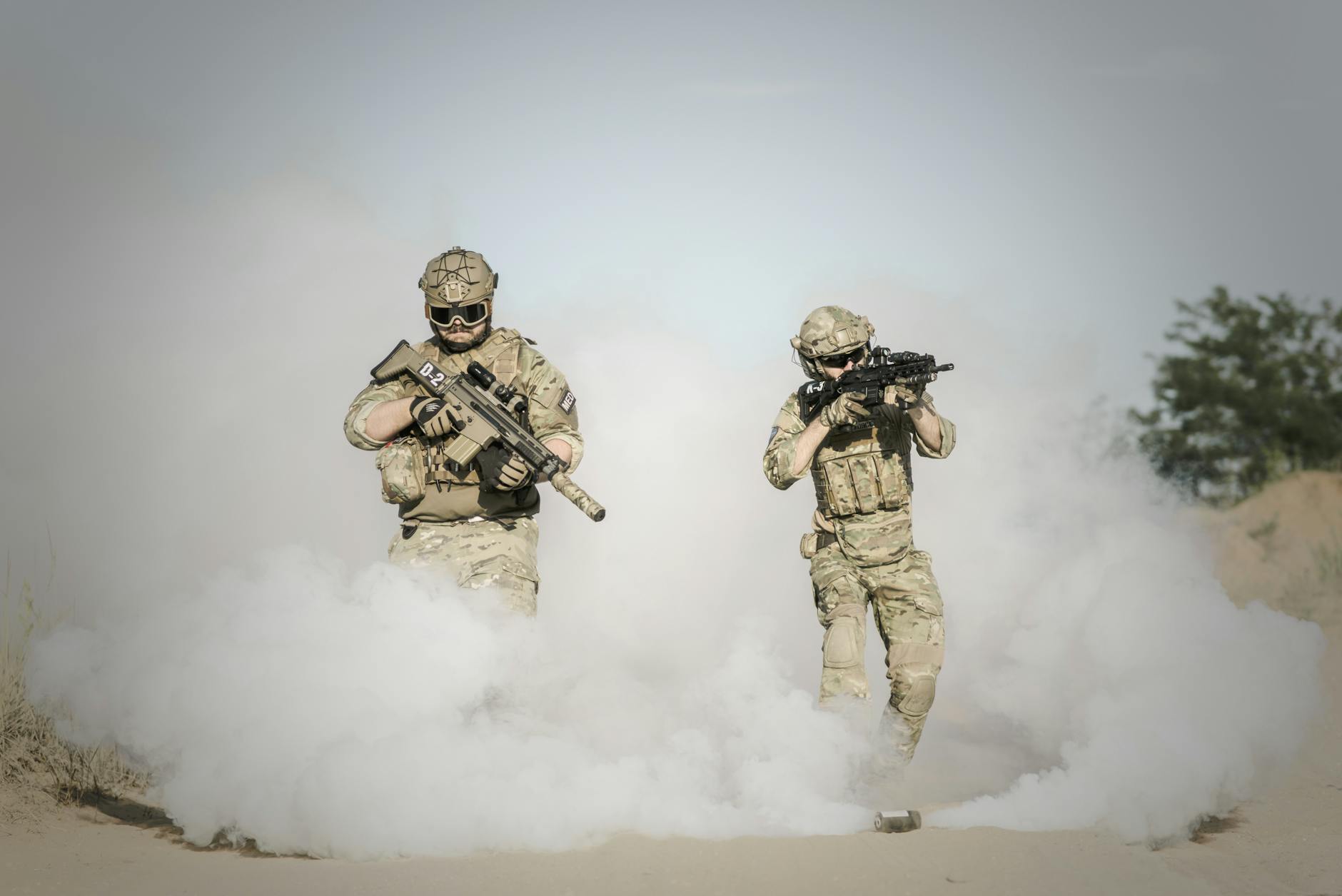
The timing of these attacks coincides with the arrival of the first contingent of U.S. Marines in the Middle East, part of an extensive deployment of U.S. forces aimed at providing Washington with adaptable military options in the escalating conflict. The Department of Defense has indicated that these troops may engage in ground operations towards Iran if necessary, reflecting a significant shift in U.S. military strategy.
The Human and Economic Toll
The repercussions of this conflict have been widespread and devastating. Since the war began nearly a month ago, the human cost has been severe, with thousands of casualties reported. Moreover, the conflict has strained the global economy, causing the most substantial disruption to energy supplies witnessed in recent history. Secretary of State Marco Rubio assured that the U.S. could meet its strategic goals without deploying ground forces but emphasized the necessity of troop readiness.
The Pentagon is poised to send additional units, including thousands from the 82nd Airborne Division, showcasing a military readiness that signals U.S. concerns about the breadth of the conflict and its potential implications.
Amidst Rising Tensions
As U.S. and Israeli strikes on Iranian positions continue, the militant group Hezbollah in Lebanon has also come under renewed attack, leading to civilian casualties, including journalists and rescue workers. The Israeli military's operations have led to accusations of targeting non-combatants, further escalating tensions within the already volatile environment.
Iran's response has remained vehement, with continued assaults on Israeli and allied positions. Attacks reached critical infrastructure, heightening fears of retaliation that could spiral into a larger confrontation across the region.
Shipping Under Threat
The emergence of the Houthis as a new threat not only complicates the existing power dynamics but also poses significant risks to maritime trade, particularly in strategic areas such as the Bab el-Mandeb Strait. The passageway is vital for international shipping networks and any disruption could exacerbate global energy prices already inflated by the ongoing war. Previous successful strikes by Houthis have displayed an ability to target naval vessels and disrupt maritime traffic, signaling a worrying precedent.
Diplomatic Initiatives
In an attempt to curtail the escalation, Pakistan is set to host discussions with foreign ministers from Saudi Arabia, Turkey, and Egypt. These diplomatic measures come at a critical junction as regional powers seek to diffuse tensions before they escalate further and draw more nations into the quagmire of conflict.
Despite various diplomatic initiatives, the ground realities suggest a precarious future. Iranian President Masoud Pezeshkian’s warnings of severe retaliation against strikes on Iranian infrastructure underscore the heightened hostilities and the behaviors of regional players.
Conclusion
The situation in the Middle East remains tense and unpredictable. With the Houthi attacks on Israel, direct U.S. military involvement on the horizon, and ongoing fatalities among combatants and civilians alike, the stakes have never been higher. As global leaders work to navigate this complex and dangerous landscape, the potential for further escalation looms large, suggesting a volatile path ahead for the region and beyond.
For continued updates on this developing story and an in-depth analysis of the Iran war, consider subscribing to the Reuters Iran Briefing.