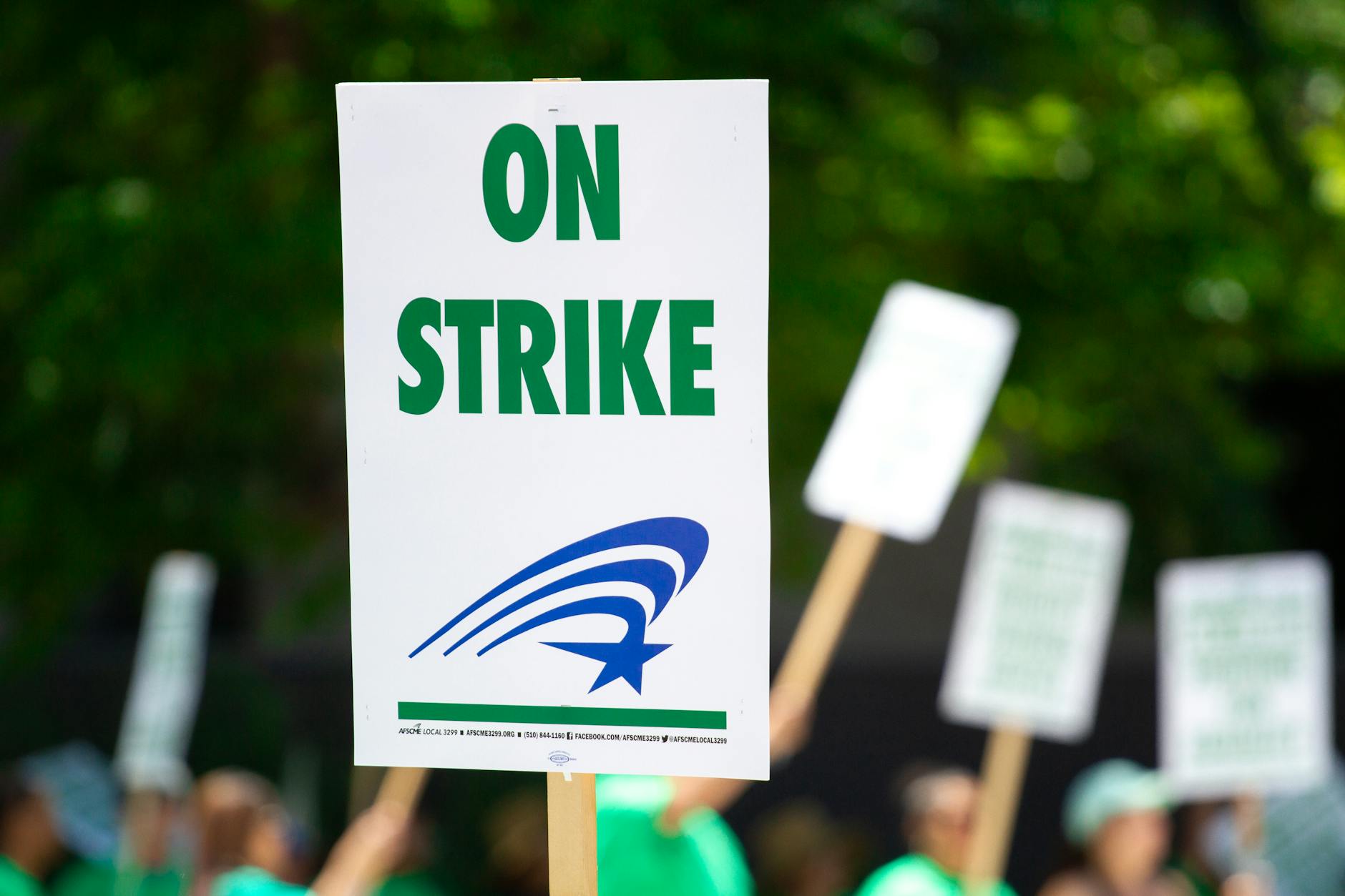
LISBON, Dec 11, 2025 – In an unprecedented display of resistance, Portugal came to a near standstill on Thursday as thousands of workers participated in a general strike, marking the first such action in over ten years. The strike, organized by the country’s two primary umbrella unions, the General Confederation of Portuguese Workers (CGTP) and the General Union of Workers (UGT), was triggered by widespread discontent over proposed labor reforms by the minority center-right government.
The Labor Reform Controversy
Unions argue that the reforms, which aim to amend more than 100 articles in the labor code, excessively favor employers while undermining workers' rights. Despite a strong economy and low unemployment rates, the government insists these changes are necessary to enhance productivity and stimulate economic growth. Yet, many workers feel the proposed changes exemplify a shift toward dehumanizing labor laws.
“The reform gives privileges to the privileged and harms those who are already suffering,” stated Rafaela Jesus, a 25-year-old administrative assistant, during her march amidst a sea of protest signs emphasizing the message: "No to the labor package" and "Firing without reason is doing the boss' bidding."
A Nation on Hold
As a result of the strike, train services were halted across the nation, hundreds of flights were canceled, and schools everywhere closed their doors for the day. While some public transport continued to operate under minimum service requirements, Lisbon's streets were noticeably quiet, reflecting the scale of worker participation.
Despite the apparent disruption, Government Minister Antonio Leitao Amaro played down the strike's impact, suggesting it was more a "partial public sector strike" than a true general strike, as he claimed "the vast majority of the country is working."
However, unions reported prominent disruptions at major companies, including significant stoppages at the Volkswagen Autoeuropa plant located near Lisbon, showcasing the collective determination of workers.
Voices from the Front Lines
In downtown Lisbon, demonstrators gathered outside parliament with resolute sentiment. “They are forgetting that workers are human beings and not machines,” expressed Helena Monteiro, a 50-year-old teacher, who channels the prevailing frustration about labor treats within the current government proposal.
Tiago Oliveira, secretary-general of the CGTP, echoed these sentiments, stating, “The government is only trying to minimize the impact of the strike to continue pushing its political agenda. But the workers will certainly resist, as they are doing now.”
The Context of Austerity and Reform
This general strike is not only significant for its scale but also for its historical context. It marks the first national labor strike since June 2013, during a time when Portugal faced harsh austerity measures following an international bailout that imposed drastic cuts to wages and taxes.
The reforms on the table intend to ease just-cause dismissals specifically in small- and medium-sized enterprises and lift restrictions on outsourcing practices, contentious measures that workers are rallying against.
Prime Minister Luis Montenegro has defended these reforms, asserting that they will ultimately benefit all Portuguese citizens. “We will not give up on being reformist and transformative,” he stated.
What Lies Ahead
With labor relations strained and political tensions growing, the outcome of this strike could have far-reaching implications for Portugal's labor laws and future governance. The proposed changes are scheduled for submission to parliament soon and are expected to garner support from the far-right Chega party, indicating a challenging political landscape ahead.
As Portugal navigates through this tumultuous chapter, the echo of worker voices reverberating in the streets could prove pivotal in shaping not just labor laws but the fabric of the nation itself.