BANGKOK, Dec 13, 2025 — Tensions between Thailand and Cambodia have soared as military operations continue along their disputed border, directly contradicting claims made by U.S. President Donald Trump of a recently brokered ceasefire. Prime Minister Anutin Charnvirakul of Thailand stated unequivocally that military action will persist “until we feel no more harm and threats to our land and people.”
Background of Conflict
The longstanding dispute over the 817-kilometer (508-mile) border, marked by sporadic clashes, reignited last week as both nations exchanged heavy artillery fire. This recent outbreak marks one of the most severe periods of fighting since July, prompting international concern and calls for mediation.
In October, following an escalated conflict, Trump reportedly facilitated a ceasefire agreement between the two nations. However, both leaders, upon addressing the ongoing violence, failed to corroborate Trump’s announcement of a “cease all shooting” agreement, insisting their countries are currently in a state of conflict.
The Situation on the Ground
Reports indicate that the latest round of confrontations began Monday, with Cambodia and Thailand engaging in heavy-weapons fire across multiple sectors of the contested area. A Thai Defense Ministry spokesperson, Rear Admiral Surasant Kongsiri, claimed that Cambodian forces are liable for gunfire that has compelled Thailand to retaliate.
Conversely, Cambodian Prime Minister Hun Manet maintains that his government is committed to seeking peaceful resolutions and emphasizes following the agreement made during Trump's mediation in October. He further stated that he has enlisted the assistance of the United States and Malaysia to verify which party instigated the recent violence.
While the Thai government insists that landmines recently laid by Cambodian troops are responsible for injuries to their soldiers, Cambodia has dismissed these claims outright.
International Reactions and Further Implications
The White House has yet to respond to the developments following Trump's call with both leaders. Analysts are questioning the efficacy of U.S. mediation, particularly given the evident discord between the assurances made by Trump and the violent realities on the ground.
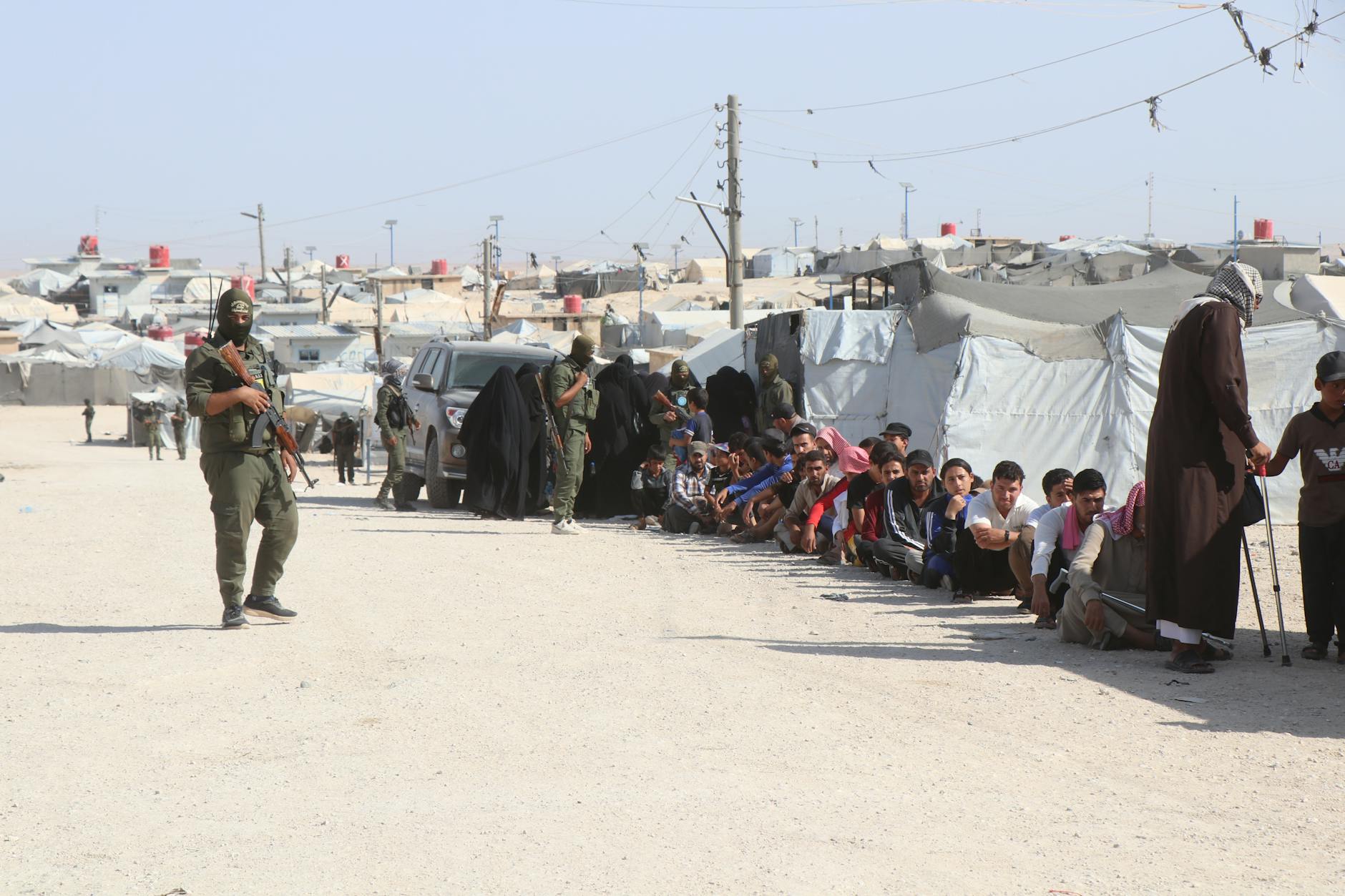
Historically, the territorial disputes have led to security dilemmas for both nations, affecting thousands of residents. In a poignant scene at a refugee camp in Srei Snam, Siem Reap province, Cambodians are seen waiting for supplies as the conflict encroaches upon their daily lives. The consequences of such disputes ripple across the humanitarian landscape as civilians become collateral damage in the geopolitical fray.
The Role of External Influences
The recent engagement of the Trump administration raises normative questions about the role of the U.S. in international relations and peacekeeping. With Trump boasting about his influence on regional stability, his nomination for the Nobel Peace Prize by Cambodia in August adds another layer of complexity to this situation, particularly if his interventions yield little in the way of lasting peace.
Historically, U.S. foreign policy has faced scrutiny regarding its impacts on conflicts, and this latest turn of events could jeopardize U.S. standing in Southeast Asia, which has increasingly seen the influence of China in regional power dynamics.
Conclusion
As the conflict continues unabated with no clear resolution in sight, the situation at the Thailand-Cambodia border remains precarious. The ongoing military actions overshadow diplomatic efforts and highlight the urgent need for effective dialogue and mediation between the warring nations. While both Prime Minister Anutin and Prime Minister Hun Manet have expressed intentions for peace, their sentiments must translate into measurable action to prevent further escalation and humanitarian crises in the region.
As events unfold, the international community watches closely, urging for peace and emphasizing the importance of collaborative efforts to resolve such long-standing disputes.