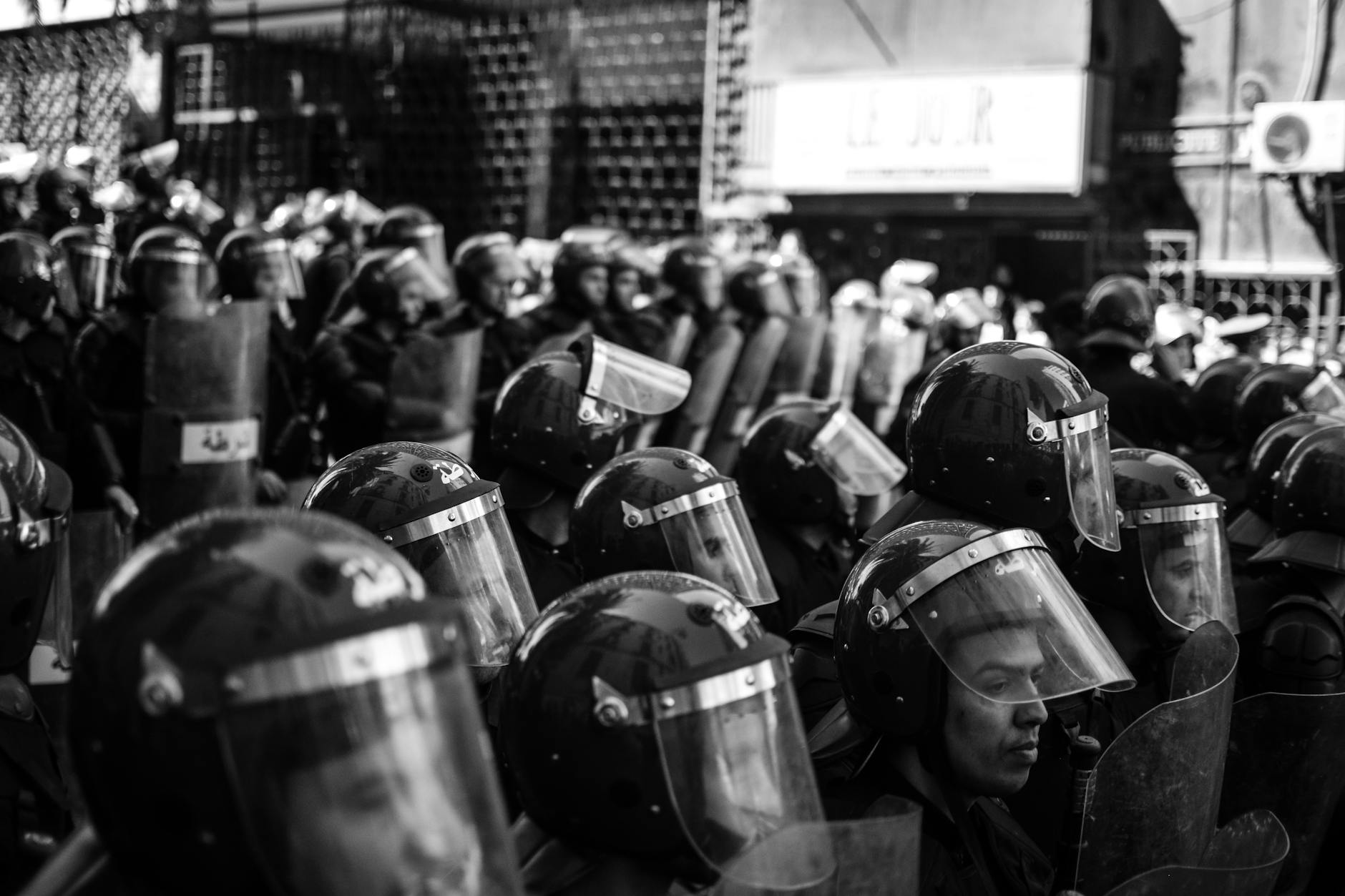
DUBAI, January 10, 2026 — In a significant escalation of their response to widespread protests, Iranian authorities have signaled a determination to intensify their crackdown on the largest anti-government demonstrations the country has seen in years. Over recent days, unrest has proliferated across major cities, fueled by public frustration over soaring inflation and perceived government failings.
Revolutionary Guards Mark 'Red Line'
The Iranian Revolutionary Guards Corps (IRGC), a powerful military faction responsible for internal security, has condemned the protest activity as the work of "terrorists" and has vowed to protect the governing system. In an official statement, the Guards emphasized that the safeguarding of public safety and property remains a "red line." State media reported increased violence, including a fire at a municipal building in Karaj, which authorities attributed to rioters.
U.S. Response
On the international front, U.S. President Donald Trump indicated that America was closely watching the situation, stating on social media, "Iran is looking at FREEDOM, perhaps like never before. The USA stands ready to help!!!" Trump's comments have drawn both support and criticism, with some accusing him of attempting to exploit the crisis for diplomatic leverage.
Violent Protests Erupt Nationwide
Reports of violence have emerged from Tehran and other cities including Rasht, Tabriz, Shiraz, and Kerman. Despite an internet blackout that has hampered communication, social media posts have surfaced, revealing amidst the chaos chants of "Death to the dictator" and calls for the overthrow of Supreme Leader Ayatollah Ali Khamenei. The situation appears especially dire, with Iranian rights groups estimating that at least 50 protesters and 15 security personnel have been killed, while around 2,300 people have been arrested.
A witness from western Iran, speaking anonymously due to safety concerns, reported that IRGC forces had opened fire on protesters, further deepening fears regarding the government's capacity to restore order.
Opposition Figures Call for Action
The exiled Reza Pahlavi, son of the last shah of Iran, has emerged as a vocal opposition figure, calling for protesters to broaden their actions into a full-scale revolt. He urged supporters in a video to seize control of city centers, indicating that the movement aims not merely to gather in protest but to establish footholds within Iranian cities.
"We are preparing to seize city centres and hold them," he declared, generating mixed reactions domestically and abroad.
Government Response to Unrest
As tensions mount, the Iranian government has attributed the protests to foreign influence, particularly accusing the U.S. and Israel of backing disturbances to undermine national security. Ayatollah Khamenei, during a state broadcast, reiterated these claims, warning citizens against acting as "mercenaries for foreigners."
The IRGC has also reported the arrest of 100 "armed rioters" in Baharestan, indicating a systematic effort to eliminate perceived threats. State media coverage has been dominated by images of funerals for security forces killed during the unrest, showcasing the ongoing conflict's human toll.
In Conclusion
As the Iranian government grapples with rising discontent and unrest, the limits of its authority are being tested like never before. The potential for a civil upheaval grows as protesters become increasingly emboldened, while the regime pledges to fortify its hold on power against both domestic and international challenges.
The situation remains fluid, and global observers continue to watch closely as Iran's future hangs in the balance between calls for freedom and authoritative repression. The coming days may prove critical in determining the trajectory of both the protests and the government’s response.
For continuous updates on this evolving situation, stay tuned to our news portal.