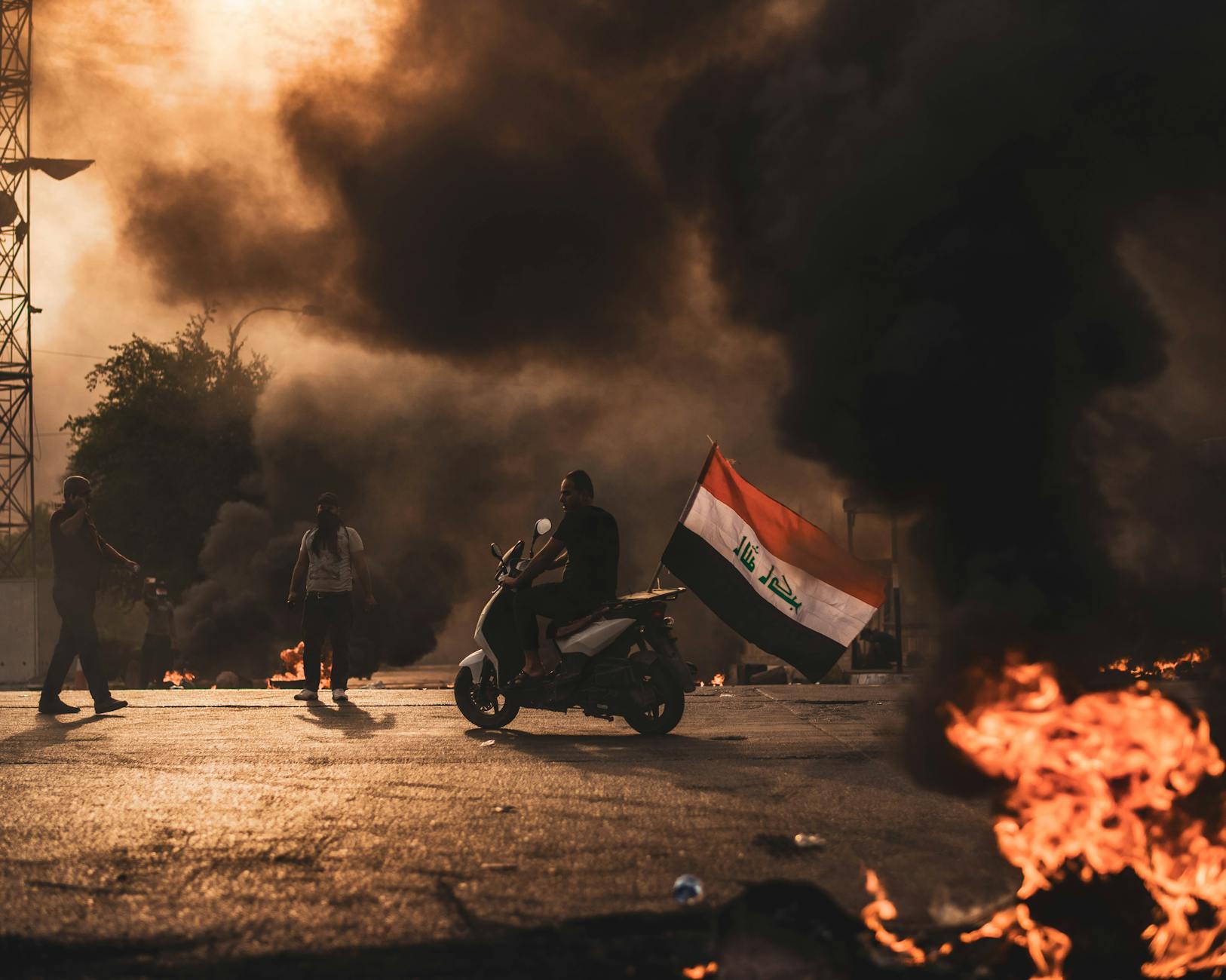
As Iran endures the most significant wave of protests in years, the ongoing turmoil has captured international attention and provoked reactions from global leaders. With frustrations fueled by a dire economic situation and rising governmental repression, the protests have evolved into a serious challenge for the clerical establishment.
U.S. President Trump Encourages Protesters
In a recent social media post, U.S. President Donald Trump called upon Iranian citizens to continue their demonstrations against the government, declaring, "Iranian Patriots, KEEP PROTESTING – TAKE OVER YOUR INSTITUTIONS!!!… HELP IS ON ITS WAY." Trump emphasized the need for accountability, urging protesters to remember the names of those who have abused them and promising that consequences were imminent.
During a speech, Trump condemned the violence against protesters, mentioning approximately 2,000 deaths, a figure that marks the first official acknowledgment from the Iranian authorities regarding casualties in the unrest that has persisted over the past two weeks.
“Iranian protests have faced violent crackdowns, with reports suggesting more than 1,850 people among the dead are protesters,” stated a U.S.-based rights group, HRANA.
Iran's Response: Accusations Against U.S. and Israel
In sharp retaliation, Iranian officials accused Trump and the United States of inciting violence and attempting to destabilize the nation. Iran's U.N. Ambassador Amir Saeid Iravani posited that such external interference was responsible for the loss of innocent lives, asserting that the U.S. and Israeli regimes bore direct responsibility.
The Iranian government has previously attempted to contextualize protests as legitimate expressions of public discontent over economic failures, while simultaneously labeling them as external conspiracies instigated by foreign powers.
Global Backlash and Condemnation
Beyond the Iranian borders, leaders from the European Union have voiced concerns about the escalating violence. President of the European Commission, Ursula von der Leyen, described the situation as "horrifying" following rising civilian casualties. European nations, including Britain, France, Germany, and Italy, have summoned Iranian ambassadors to protest the government's violent response to demonstrators.
The Domestic Environment: A Call for Reform
The unrest, instigated by plummeting currency values and heightened economic distress, has underscored the gerontocracy of Iran's ruling elites. Demonstrators are not just expressing grievances over economic hardship; their rallies resonate with broader calls for structural reforms, representing a drastic challenge to the status quo that has persisted since the Islamic Revolution of 1979.
While some Iranian officials are acknowledging the legitimacy of protester grievances, they simultaneously reinforce crackdowns on dissent. Reports indicate that about 16,784 individuals have been arrested over the course of the protests, signaling a systematic effort to quell the unrest before it gains further momentum.
Reports of Potential Executions
As the situation escalates, reports from rights groups indicate that an Iranian man, Erfan Soltani, could face execution for his participation in the protests. Restrictions on communication and governmental transparency complicate verification of such claims, but they highlight fears of escalating repression.
Trump has warned against any executions, indicating that such actions would lead to "very strong" responses from the U.S. Nonetheless, those within Iran face an environment rife with uncertainty and fear, as executions in prisons are common, particularly amidst ongoing protests.
Looking Ahead: The Future of Iran's Rulers
The wave of protests has illuminated growing dissatisfaction among Iranian citizens, with no clear indication of cooperation or understanding from the ruling class. Despite the crackdowns, analysts suggest that cracks in the regime could emerge, yet many believe the clerical establishment retains sufficient control to weather the current storm.
As protests continue, increasing engagement from international actors could redefine the geopolitical landscape. Should the protests remain unresolved, the prospect of intensified international sanctions may loom, complicating the already fragile economic conditions in Iran.
Continuous analysis of this developing situation is crucial, as both domestic policies and international responses could shape the future of governance in Iran.