COPENHAGEN, Jan 10, 2026 – As the geopolitical landscape shifts and tensions rise in the Arctic region, Denmark finds itself at a crossroads with Greenland, a territory that has been inching towards independence since gaining greater autonomy in 1979. The situation underscores a delicate balance between Denmark's geopolitical aspirations and Greenland's yearning for self-determination.
A Question of Control
The imminent meeting between U.S. Secretary of State Marco Rubio and Danish and Greenlandic counterparts raises pressing questions about sovereignty and territorial influence. President Donald Trump’s controversial statements regarding the possibility of acquiring Greenland have highlighted Denmark's precarious position. Denmark is now compelled to defend a territory whose residents are increasingly inclined towards independence. As the largest political opposition party in Greenland advocates for direct negotiations with Washington, the questions surrounding sovereignty become even more intricate.
"Denmark risks exhausting its foreign policy capital to secure Greenland, only to watch it walk away afterwards," noted Mikkel Vedby Rasmussen, a political science expert at the University of Copenhagen. This sentiment reflects the growing anxiety surrounding Denmark's role as a protector of a populace that may no longer wish to be governed from afar.
Greenland's Strategic Importance
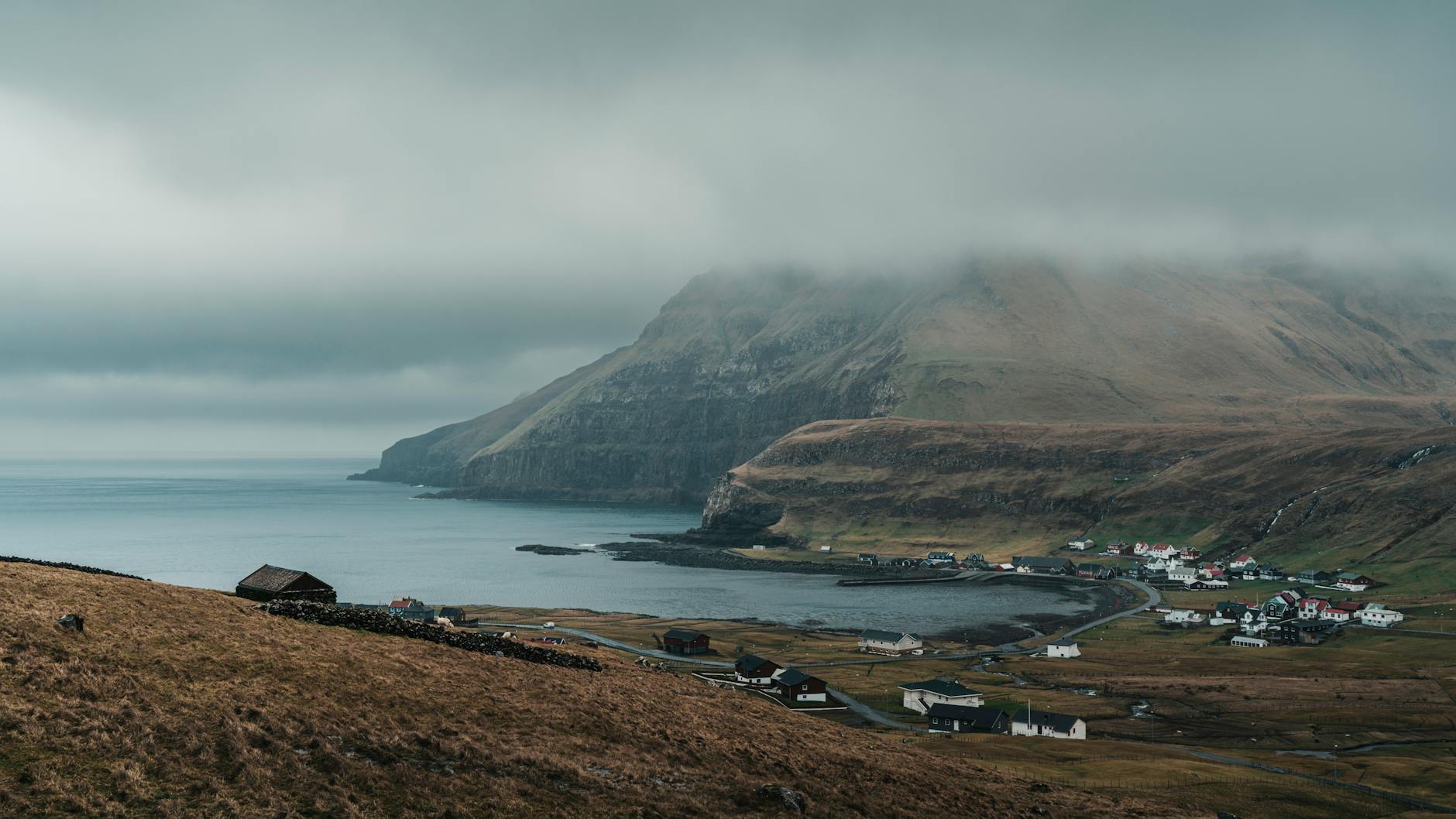
The strategic relevance of Greenland cannot be overlooked. Nestled between Europe and North America, Greenland serves as a pivotal site for U.S. ballistic missile defense systems, and Denmark's control over Greenland has historically granted it a significant influence within NATO. Danish Prime Minister Mette Frederiksen has emphasized the importance of national borders and sovereignty, asserting that “Greenland belongs to the Greenlanders." Supporting Greenland thus becomes a matter of national interest for Denmark, coupled with the reality of a population that is inching closer to autonomy.
European allies have also rallied behind Denmark, fearing that if Greenland were to be relinquished, it could produce far-reaching implications, opening the floodgates for territorial claims against smaller nations and destabilizing the post-1945 world order.
The Cost of Support
The financial dynamics of the relationship between Denmark and Greenland further complicate the issue. Copenhagen provides an estimated 4.3 billion Danish crowns ($610 million) annually to support Greenland’s economy. The central bank projects a significant financing gap looming over public finances, which could escalate tensions within the union. Furthermore, Denmark’s recent announcement of an expansive 42 billion Danish crowns ($6.54 billion) Arctic defense package demonstrates the lengths to which the Danish government is willing to go to secure its interests.
Should Greenland choose to pivot towards independence, these investments may be viewed in hindsight as wasteful expenditures. Political commentator Joachim B. Olsen expressed concern: "How much should we fight for someone who doesn't really care about us?"
Historical Context of Independence
Greenland's path toward independence has been a gradual undertaking, characterized by the introduction of greater autonomy in 1979 and the recognition of an explicit right to independence in a 2009 agreement. The aspiration for self-determination is broadly supported across Greenland's political spectrum, highlighting the ideological divide between the desires of the Greenlandic populace and Denmark's foreign policy priorities.
Amid escalating U.S. pressures, Denmark is finding itself ensnared in a web of conflicting interests, risking the potential for a diplomatic fallout with the U.S. while simultaneously maintaining its credibility as a protector of Greenland's rights.
Navigating Future Challenges
Prime Minister Frederiksen is tasked with a challenging balancing act, as she must advocate for Greenland while simultaneously managing a complex relationship with the U.S. Considering the rising threat of Russia, Denmark must tread carefully to maintain favorable relations with its transatlantic ally. Meanwhile, the prospect of a 2026 election looms, and Greenland’s status has yet to emerge as a primary concern in Danish political discourse.
The sentiment shared by Danish science writer Lone Frank encapsulates the challenges Denmark faces: "I don't understand why we have to cling to this community with Greenland when they so badly want out of it."
In this increasingly intricate geopolitical landscape, the fate of Greenland, Denmark, and their international allies hangs in the balance. As Denmark contemplates its role in a changing Arctic, the outcomes of the upcoming negotiations could mark a pivotal moment in the future of Greenland's sovereignty and Denmark's geopolitical significance.
For ongoing coverage of this evolving story, sign up for the Reuters Daily Briefing.