March 19, 2026 – Moscow
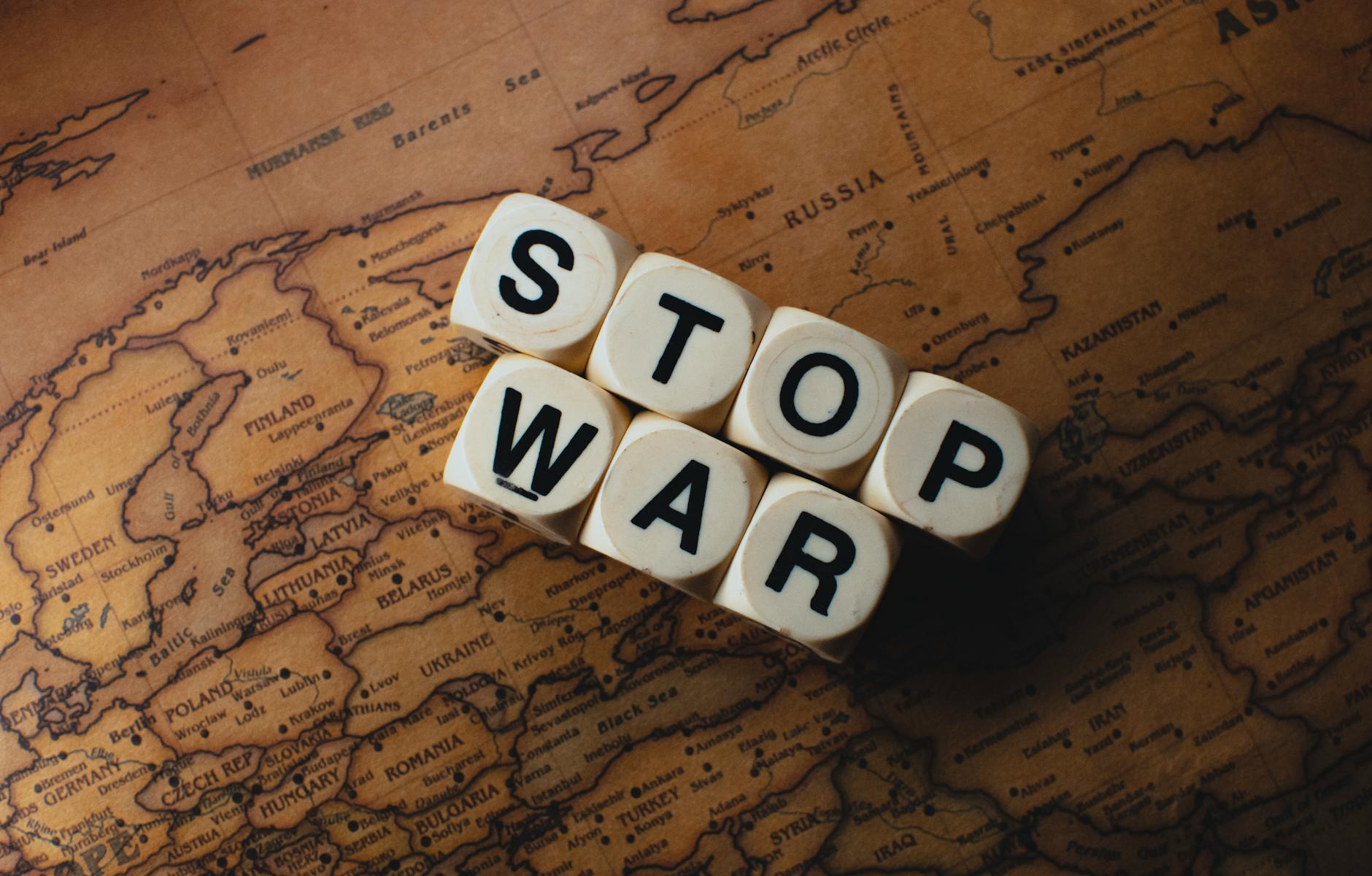
In a significant development, the Kremlin announced on Thursday that peace talks involving the United States, Russia, and Ukraine regarding the ongoing conflict in Ukraine are currently on a "situational pause." This stall comes in the wake of escalating tensions from the ongoing war in Iran, according to reports from the Izvestia newspaper.
Impacts of the Iran War on Ukraine Negotiations
The pause in discussions was confirmed by Kremlin spokesman Dmitry Peskov, who cited the need for "our American partners" to reallocate their attention toward the Ukrainian crisis amidst the turmoil in the Middle East. Peskov expressed hope that talks could resume once the focus shifts back to Ukraine. "This is a situational pause, for obvious reasons," he stated in a press briefing.
U.S. President Donald Trump has pledged to bring an end to the war in Ukraine if he returns to the White House; however, he has lamented that attempts to resolve the conflict have been one of his administration's major disappointments.
Meanwhile, negotiations on economic and investment cooperation between the U.S. and Russia, led by presidential envoy Kirill Dmitriev, are set to continue, indicating that not all diplomatic efforts are stalled.
Stalemate on Key Issues
The war in Ukraine, which began with Russia's invasion in 2022, has seen multiple dialogue attempts over the past year. Talks have previously taken place in Turkey and have been mediated by the United States in both Abu Dhabi and Geneva. However, significant disagreements remain, particularly concerning Russia's demand for Ukraine to cede control of its entire Donetsk region—a contentious point that continues to hinder progress in negotiations.
Ukraine's political leadership, along with European allies, has maintained that any concessions that would allow Russia to achieve its military objectives are unacceptable. European and Ukrainian leaders argue that permitting such territorial gains could encourage Russia to pursue further aggression, potentially escalating the conflict to involve NATO member states.
Assessment of Current Military Dynamics
In a recent testimony before the Senate Select Committee on Intelligence, U.S. Director of National Intelligence Tulsi Gabbard remarked that Russia continues to uphold an advantageous position in the ongoing conflict with Ukraine. "US-led negotiations between Moscow and Kyiv are ongoing. Until such an agreement is met, Moscow is likely to continue fighting a war of attrition with the aim of degrading Kyiv’s ability and will to resist," Gabbard stated.
Russian President Vladimir Putin has expressed a willingness to discuss peace terms but has laid down stringent conditions, including Ukraine's formal renunciation of any aspirations to join NATO and the total withdrawal from four regions that Russia claims as its own. Conversely, Kyiv remains skeptical about Putin's sincere intentions to bring about a resolution.
The Road Ahead
As the international community watches closely, the dynamics surrounding Ukraine and the Middle Eastern conflicts will be instrumental in shaping the geopolitical landscape in the coming months. The ongoing Iran war could potentially influence Ukraine’s position as it navigates the turbulent waters of diplomacy and negotiations.
For further updates on the conflict in Ukraine and the Iran war, consider keeping track of the Reuters Iran Briefing newsletter.
This article is a comprehensive overview of the current situation based on recent developments as reported by multiple sources including Reuters. For ongoing updates and in-depth analysis, visit our news portal regularly.