In a striking turn of events, U.S. intelligence has expressed concerns regarding the willingness of Venezuela's newly appointed interim president, Delcy Rodriguez, to align with the Trump administration's strategies. Following the unprecedented capture of former President Nicolas Maduro and his wife, Cilia Flores, during a U.S. military operation on January 3, 2026, Rodriguez has taken the helm of the Venezuelan government. However, uncertainty looms as Washington urges her to abandon diplomatic ties with adversaries including Iran, China, and Russia.
Uncertain Alliances and Intelligence Insights
Recent reports indicate that U.S. officials harbor doubts about Rodriguez's commitment to severing relationships with these nations, with expectations for her to expel their diplomats and advisers from Venezuela. Through closed-door discussions, sources familiar with the situation disclosed that it remains unclear if Rodriguez fully endorses U.S. objectives within the country.
CIA Director John Ratcliffe's visit to Caracas on January 15 generated speculation regarding her alignment with American interests, particularly amidst ongoing diplomatic negotiations. While some steps towards cooperation have been noted—such as Rodriguez's authorization for oil sales to the U.S. and her release of political prisoners—her recent pronouncement of being "sick of U.S. intervention" adds to the complexity of the diplomatic landscape.
Challenging the Status Quo
Rodriguez's presidency signifies not only a shift in governance but also poses challenges for American foreign policy in the region. Historically, the Venezuelan government has cultivated robust relationships with Iran, China, and Russia. For instance, these partnerships fostered critical infrastructural support, including oil refinery restorations and military supplies that maintain Venezuela's security posture.
The Trump administration desires to exploit Venezuela’s vast oil reserves while restricting influence from nations it categorizes as geopolitical foes. If Rodriguez aligns with this directive and cuts ties with these allies, it could pave the way for increased U.S. investment in the country's energy sector. Conversely, a failure to adequately influence her could undermine American efforts while avoiding deeper military involvement.
Internal Opposition and Future Leadership
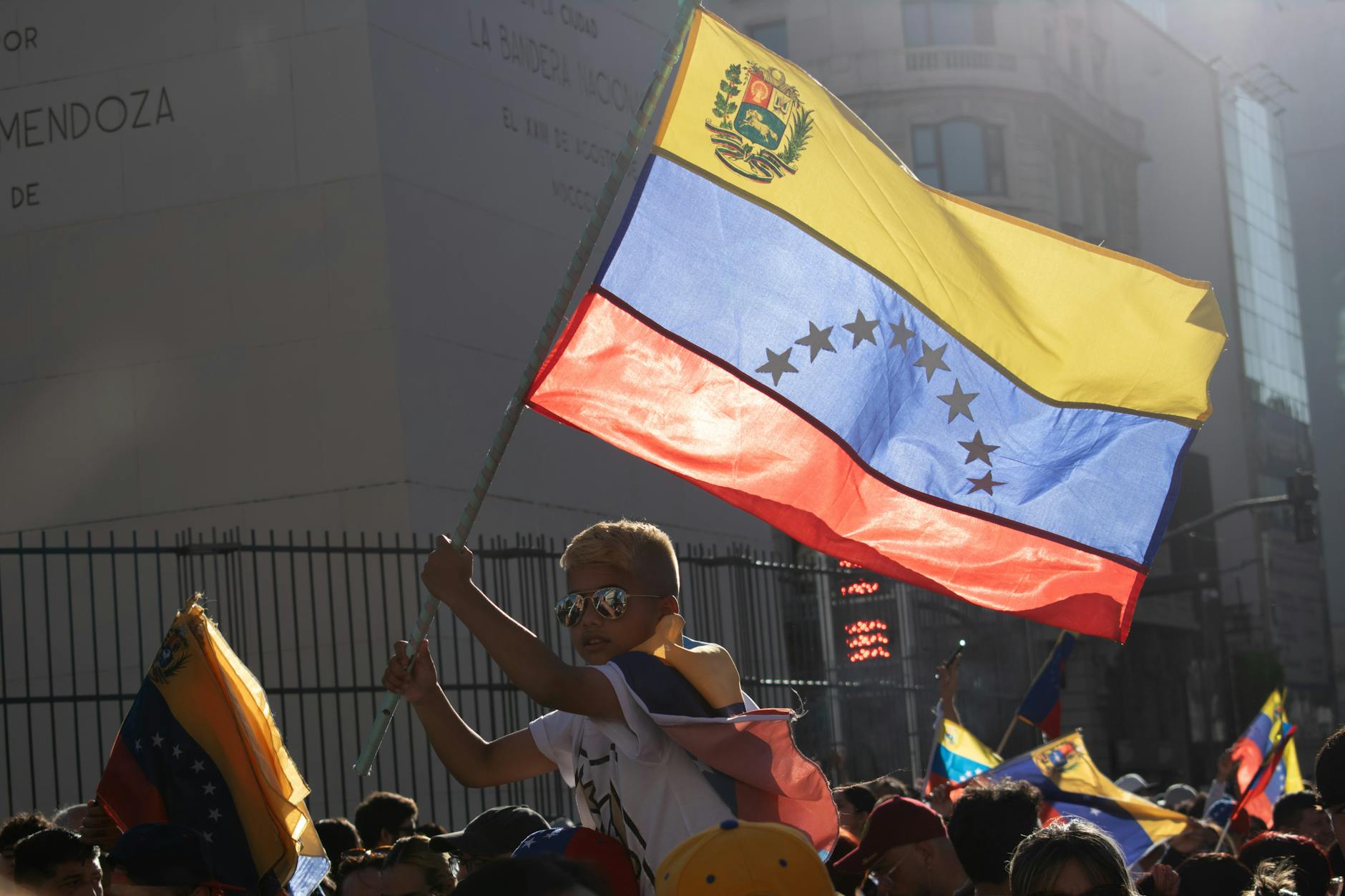
The uncertainty surrounding Rodriguez has led U.S. officials to explore alternative leadership options. Critics of the administration's Venezuela strategy underscore the risks of maintaining Maduro loyalists in power. There is growing recognition of opposition leader Maria Corina Machado, who, although lacking connections to Venezuela's security services or oil sector, is considered a long-term option for leadership. She has displayed considerable popularity within the country, having allegedly won a significant victory in a 2024 election, despite the Maduro government’s support in maintaining its own power.
Trump himself indicated a desire for Machado to play an influential role in Venezuela's governance without detailing the specifics of potential involvement. The Biden administration is keenly monitoring these developments as they unfold.
Navigating Diplomatic Relations
In recent conversations, Rodriguez has expressed ambivalence towards the U.S. interventionist stance, presenting a delicate diplomatic challenge for the Trump administration. U.S. officials maintain that they are committed to leveraging "maximum leverage" over Venezuela's interim leaders, hoping for cooperation while simultaneously preparing for alternative pathways should relations falter.
This evolving political landscape in Venezuela raises critical questions not only about the future of the nation itself but also about the various international relationships that define it. As Delcy Rodriguez's presidency unfolds, both her actions and strategic decisions will undoubtedly influence the broader regional dynamics, with implications for U.S. foreign policy and security interests in South America.
As the international community observes, the trend of Venezuelan leadership continues to be a pivotal point of discussion, necessitating vigilance and adaptability in responding to a rapidly changing geopolitical narrative.