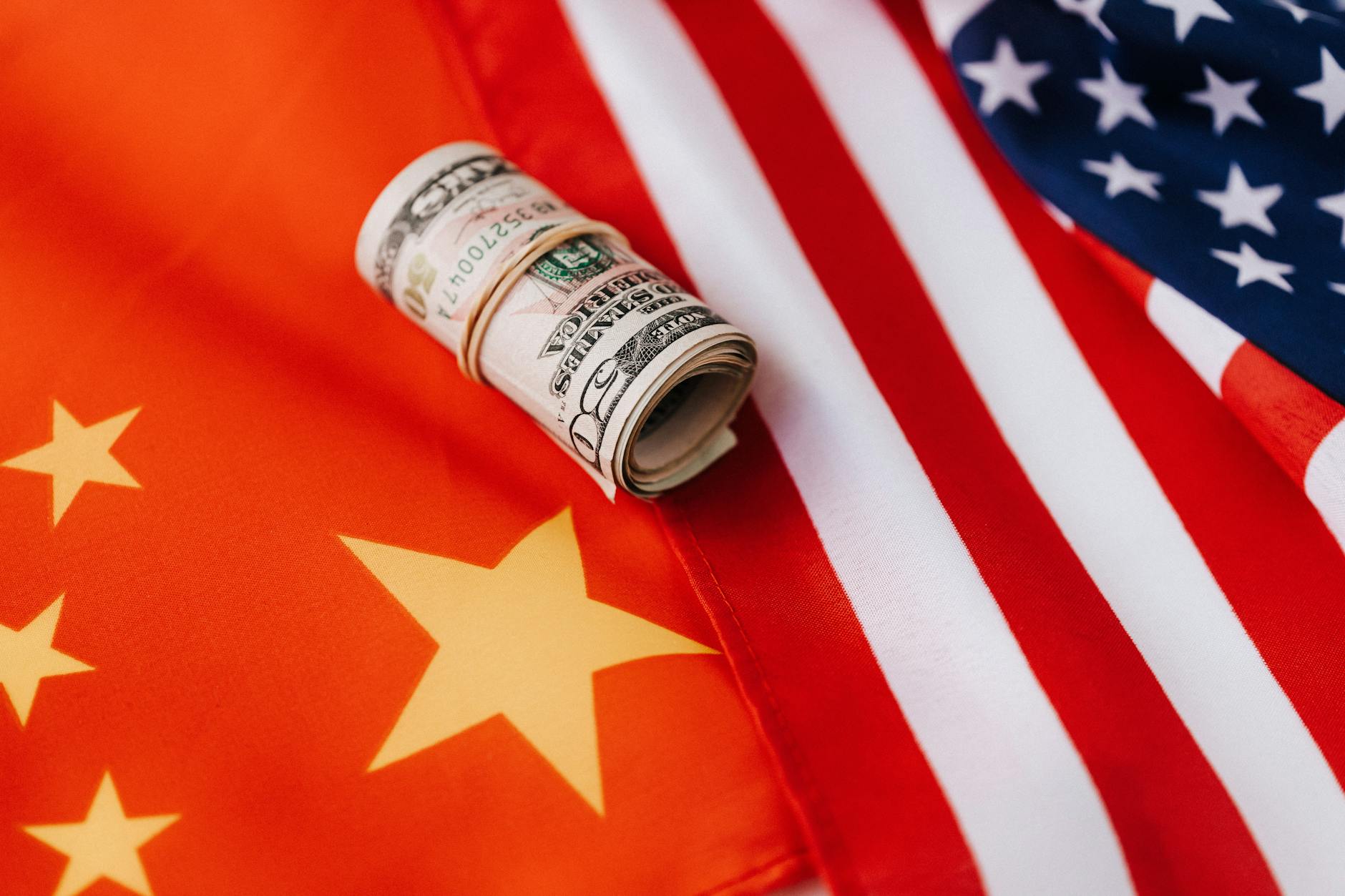
Global Trade Dynamics Shift as Soybean Talks Resurface
In a notable turn of events in U.S.-China relations, President Donald Trump confirmed a "very positive" discussion with Chinese President Xi Jinping, which may pave the way for a significant increase in soybean purchases from the United States. During the February 4 call, Trump revealed that Xi is considering raising China's soybean imports from the U.S. to 20 million tons for the current season, a substantial increase from the previously set target of 12 million tons. This development has led to a surge in soybean futures, reflecting farmers' optimism as they brace for a potential boost in exports.
Diplomatic Engagements: A Step Towards Stability
The conversation between the two leaders, the first since late November 2025, comes just two months ahead of Trump's anticipated visit to Beijing in April. The discussions focused not only on agricultural trade but also on critical national security issues, particularly concerning Taiwan—an area where tensions between the U.S. and China have been escalating.
President Trump expressed that the call was "all very positive," emphasizing the importance of maintaining strong bilateral relations. Xi, for his part, reiterated China's commitment to fostering what he termed "Sino-U.S. relations," indicating a mutual desire to seek stability amid ongoing challenges.
Navigating Tensions Over Taiwan
One of the prominent sources of friction in U.S.-China relations remains the island of Taiwan. Recently, the United States announced its largest arms sales to Taiwan in December, totaling around $11.1 billion. This move was met with stern warnings from Beijing, which views Taiwan as a breakaway province and has consistently opposed arms sales that could bolster Taipei's defenses.
In their conversation, Xi emphasized that "the United States must carefully handle arms sales to Taiwan," reiterating China's position on the matter. With various recent military leadership changes and investigations within the Chinese military also looming, the ramifications for Chinese foreign policy remain an area of concern for U.S. officials.
Economic Concerns: Soybeans and Beyond
This potential soybean deal is especially critical, as U.S. agriculture relies heavily on exports to China—historically the largest market for American soybeans. The agricultural sector has suffered in recent years due to strained trade relations and tariffs imposed during Trump's presidency. In the current environment, many U.S. farmers are desperately seeking opportunities for increased exports to stabilize their businesses.
Economically, Trump's administration has focused on reshaping trade dynamics by reinstating tariffs and seeking new partnerships. A recent announcement by Vice President JD Vance to form a preferential trade bloc for critical minerals aims to reduce U.S. reliance on China, which has been a leading supplier of these essential resources.
Conversations on Energy and Defense
In addition to the soybean negotiations, the Trump-Xi dialogue touched on other significant issues, including Iran, the ongoing war in Ukraine, and energy policies. Trump noted that discussions also included the sale of airplane engines and oil, indicating a broader economic landscape that both nations are navigating.
China's role as Venezuela's top oil buyer remains pivotal, particularly after the U.S. removed Nicolás Maduro's regime and hinted at requiring China to purchase oil "on U.S. terms." This complex interplay of energy dependencies and political maneuvering adds another layer to the evolving U.S.-China relationship.
Conclusion: Looking Ahead
As President Trump prepares for his upcoming trip to Beijing, the outcomes of these discussions could have far-reaching implications for both countries. While the resurgence of hopes for increased soybean trade provides a glimpse of optimism, the underlying tensions over Taiwan and other geopolitical factors remain hurdles to overcome.
Moving forward, both the U.S. and China face the challenge of establishing a stable, constructive relationship—balancing economic interests against a backdrop of political rivalry. With the world watching, the developments in the coming months will be crucial not only for U.S.-China relations but for global economic stability as a whole.