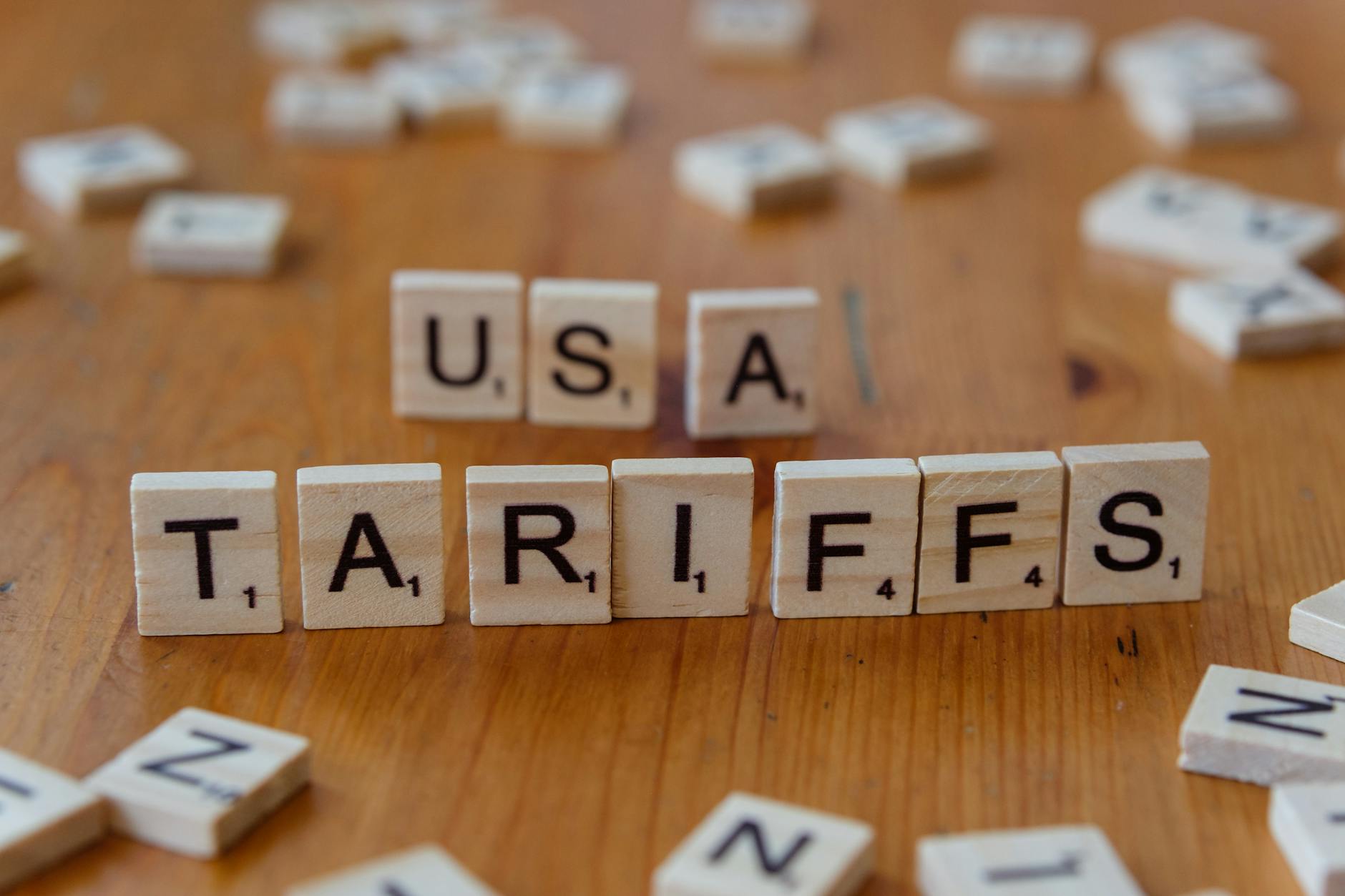
Washington D.C., March 11, 2026 – In a pivotal move that could reshape U.S. trade relations, President Donald Trump’s administration announced the initiation of two significant investigations under Section 301 of the Trade Act of 1974. These investigations target alleged unfair trade practices by multiple international partners with a focus on excess industrial capacity and forced labor, marking a strategic effort to rebuild tariff pressures after recent judicial setbacks to Trump’s earlier tariff measures.
Overview of New Investigations
The U.S. Trade Representative, Jamieson Greer, detailed the scope of the investigations during a conference call with reporters, emphasizing the administration's intent to address economic discrepancies. The Section 301 probe will investigate excess capacity in 16 trading partners, including major economies like China, the European Union, India, Japan, South Korea, and Mexico. This initiative aligns with the administration's broader strategy of recalibrating the trade landscape following a recent Supreme Court decision that invalidated portions of Trump’s tariff program.
Greer remarked, “These investigations will focus on economies where we have evidence of structural excess capacity and production in various manufacturing sectors.” This suggests that certain countries have been manufacturing goods in excess of domestic demand, creating trade imbalances detrimental to American industries.
Targeted Economies
The countries under scrutiny for their industrial capacity include Taiwan, Vietnam, Thailand, Malaysia, Cambodia, Singapore, Indonesia, Bangladesh, Switzerland, and Norway. Notably absent from this list is Canada, which is the second-largest trading partner of the United States.
Specific focus areas include:
- China: Highlighted for its automotive sector where the production capacity significantly outstrips demand, with companies such as BYD exploring substantial international expansion.
- European Union: The U.S. will also investigate the significant trade surpluses reported by Germany and Ireland, which may indicate capacity issues within the EU.
Allegations of Forced Labor
In conjunction with the excess capacity investigation, the administration also announced a probe into forced labor practices, which will affect imports from over 60 countries. This initiative comes on the heels of increased scrutiny over goods produced in China’s Xinjiang region, where the U.S. has previously barred imports due to reported abuses against Uyghur Muslims and other ethnic minorities engaging in forced labor.
Greer indicated a desire for allied nations to reflect the U.S.'s stringent stance on forced labor by enforcing similar import bans. "We want to see action from our trading partners to prevent goods made under such conditions from entering our markets," he said.
Legislative and Political Context
The urgent push for these investigations follows the February 20 ruling by the Supreme Court that deemed many of Trump’s global tariffs unlawful under the national emergency provisions. In response, Trump swiftly introduced a temporary 10% tariff on goods to retain leverage until the expiration of previous tariffs in July.
Positioning himself as a defender of U.S. manufacturing, Greer reiterated Trump’s commitment to tackling unfair trade practices head-on, stating, “Trump will find a way to deal with unfair trading practices. He'll find a way to protect U.S. manufacturing.”
Despite the administration's proactive stance, Greer acknowledged the relationship between tariffs and ongoing negotiations with trading partners, particularly in light of upcoming meetings between U.S. Treasury Secretary Scott Bessent and Chinese officials in Paris.
Implications for International Trade
The timing of these probes signals an unyielding commitment to trade rectitude amidst global economic instability. Experts suggest that these investigations could lead to substantial shifts in U.S. trade policy, compelling trading partners to reevaluate their trade practices or risk facing punitive tariffs.
As the dialogues progress, the outcomes of these investigations will likely play an intricate role in shaping not only U.S.-China relations but also multifaceted international trade dynamics. The administration's pursuit of these investigations reflects ongoing aspirations to strengthen U.S. economic interests and assert its influence on global trade practices.
The evolving landscape of U.S. trade policy underscores the complexities of international economics and the balancing act required to foster fair trade partnerships. As the investigations unfold, stakeholders across industries will be watching closely for their ramifications on both the U.S. economy and its trading relations worldwide.