Minneapolis, MN – January 25, 2026 – The city of Minneapolis finds itself at a boiling point after a series of alarming incidents involving federal immigration agents have led to the deaths of two U.S. citizens in just a few weeks. The most recent tragedy occurred over the weekend when Alex Pretti, a 37-year-old nurse at a Veterans Affairs hospital, was shot dead by federal agents in a confrontation that has drawn widespread condemnation and sparked civil unrest.
A Clashing Narrative
Following Pretti's death, federal officials defended their actions, claiming that he posed a threat and assaulted officers prior to being shot. This official narrative, however, has been met with skepticism due to contradicting video evidence that is circulating widely. Local law enforcement and eyewitness accounts suggest a vastly different story, which is ratcheting up tensions in an already-charged atmosphere.
Brian O'Hara, the Minneapolis police chief, has publicly refuted claims that Pretti was brandishing a gun during the encounter. In an interview on CBS's "Face the Nation," he stated, “The videos speak for themselves,” emphasizing that he has seen no evidence supporting the federal agents' claims of self-defense. By analyzing the footage, he and others argue that Pretti was holding a phone—not a weapon—when he was fatally shot.
The Inciting Incident
On January 22, videos surfaced showing the events leading up to the shooting. Pretti can be seen attempting to assist a group of protesters—who were being detained and cleared away by federal agents—when the situation escalated. While trying to shield bystanders from aggressive tactics, including pepper spray, Pretti was forcibly restrained by multiple agents. It was during this struggle that officers allegedly removed a gun from his person before firing several shots in quick succession.
The implications of this incident resonate beyond Minneapolis, as it coincides with another fatal shooting less than three weeks earlier of Renee Nicole Good. Good was shot after federal agents claimed she attempted to ram her vehicle into one of them—a justification that local observers dispute based on similar video evidence.
Community Response and Protests
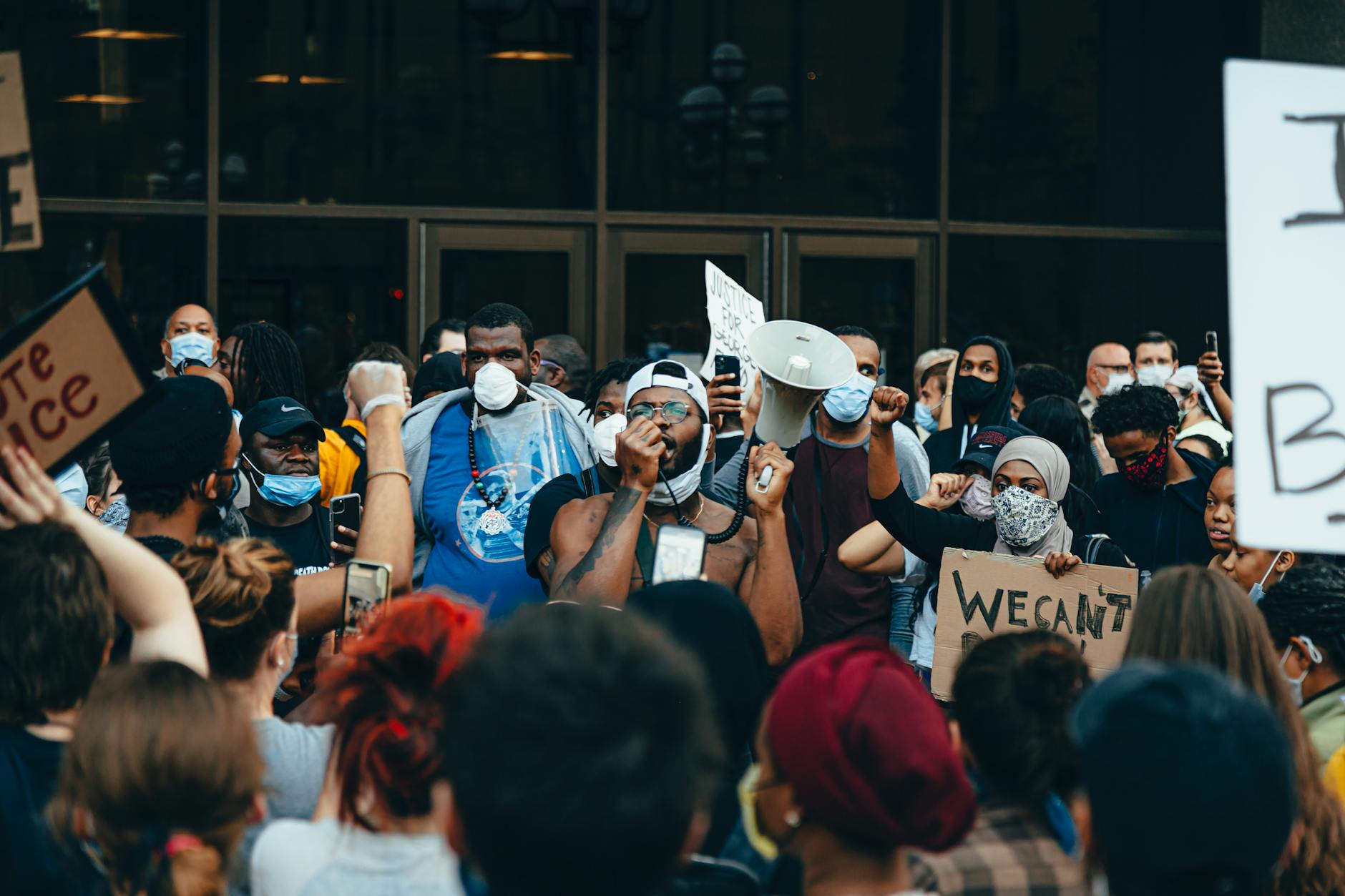
As news of Pretti's death spread, protests erupted not only in Minneapolis but also in other cities like Los Angeles and Washington, D.C. Local residents are calling for justice, demanding accountability for federal law enforcement. A makeshift memorial has taken shape at the site of the shooting, with community members leaving flowers and candles to honor Pretti’s memory.
The ongoing protests have drawn attention from high-profile figures, including former President Barack Obama and former First Lady Michelle Obama, who stated that American values are under siege and that “This has to stop.” Their words echo the sentiments of countless citizens who have taken to the streets in outrage.
Legal Actions and Political Fallout
The protests have resulted in legal ramifications as well. Minnesota officials have filed restraining orders aimed at preventing federal agents from destroying evidence linked to the shooting. A U.S. district judge responded by issuing a temporary prohibition against the alteration of evidence, signaling potential legal battles ahead.
Governor Tim Walz has also called for the removal of federal agents from Minneapolis, stating that collaboration is necessary to restore calm and justice in the community. In a letter, executives from major Minnesota companies, including Target and Best Buy, have urged for “immediate de-escalation” while stopping short of condemning the shooting directly.
The Question of Accountability
As the national spotlight intensifies on the actions of federal law enforcement, questions loom about the policy surrounding their operations in urban communities. The Trump administration has staunchly defended these actions as essential for enforcing immigration laws and reducing crime—claims that have now been thrust into the political arena as the 2026 elections approach.
The city of Minneapolis stands at a crossroads. With heightened emotions and community outrage posturing against federal authority, the future of local and federal relations remains uncertain. As more information surfaces and protests escalate, one thing is clear: the demand for accountability and a meaningful dialogue on civil rights in law enforcement has never been more urgent.
For continuous coverage and updates on this developing story, follow our news portal.