In a significant escalation of hostilities, Pakistan has launched air and ground strikes in Afghanistan following a series of border skirmishes, leading to casualties on both sides. The current conflict marks a worrying shift for the region, with both Pakistan and Afghanistan reporting heavy losses amid claims of open warfare.
Escalation of Clashes
On February 27, 2026, heavy bombardments were reported in major Afghan cities, including Kabul and Kandahar, where the Taliban leadership is located. This unprecedented military action by Pakistan, aimed at Taliban positions, has been justified by Islamabad, citing the need to counteract attacks launched from Afghan territory by militants belonging to the Tehreek-e-Taliban Pakistan (TTP).
Pakistani military sources confirmed that air-to-ground missile strikes targeted Taliban military offices, following retaliatory drone strikes from Afghanistan earlier in the week. Taliban spokesman Zabihullah Mujahid condemned the attacks, revealing that civilian casualties occurred amidst the chaos, although specific numbers were not disclosed.
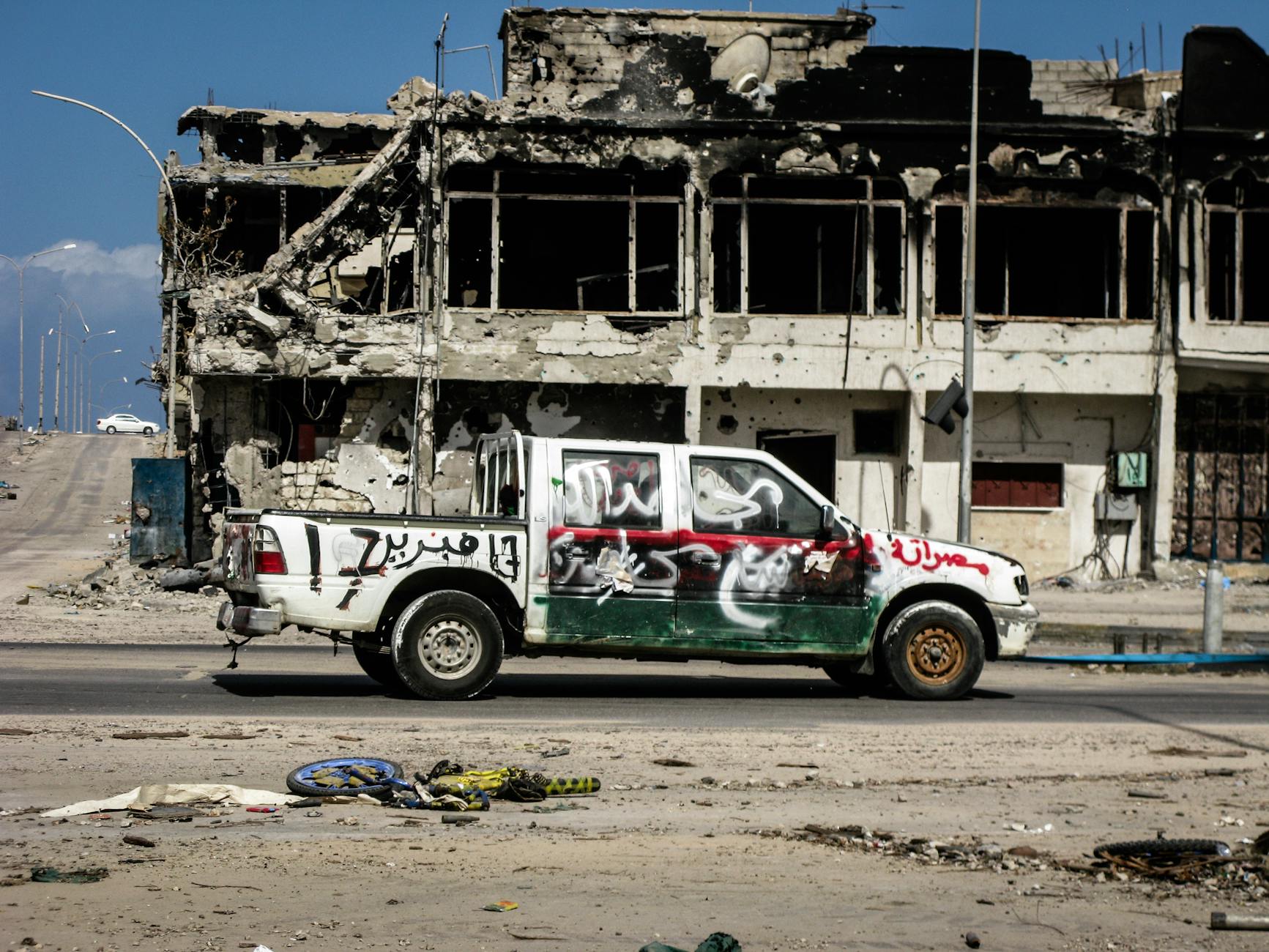
"Thick plumes of black smoke" coupled with numerous ambulance sirens could be heard ringing throughout Kabul as the city grappled with the aftermath of the strikes. Residents recounted nightmarish scenarios of sudden explosions and the desperate flight of people from their homes.
Conflicting Casualty Reports
Conflicting reports surrounding casualties have emerged from both sides. Pakistan claims its strikes eliminated 274 Taliban officials and militants, whereas Afghanistan's military asserts it killed 55 Pakistani soldiers during the crossfire. Both accounts remain unverifiable. Notably, Pakistan’s military reported the deaths of 12 soldiers, while Afghanistan confirmed the loss of 13 fighters.
The International Response
The escalating violence has drawn attention from global powers and organizations. United Nations Secretary-General Antonio Guterres expressed his concerns regarding civilian impact and called for immediate cessation of hostilities, promoting diplomatic resolution. He urged both nations to engage in meaningful dialogue to resolve differences.
Meanwhile, the United States has voiced its support for Pakistan, affirming its right to defend against terrorist threats. The U.S. State Department labeled the Taliban as a "Specially Designated Global Terrorist group", emphasizing the destabilizing role of terrorist organizations operating from within Afghan territory.
Furthermore, the European Union has called for de-escalation, urging Afghan authorities to take decisive action against terrorist factions based on their lands.
Calls for Dialogue Amid Hostility
Amid the rising military exchange, the Taliban has signaled a willingness to negotiate, reflecting their preference for diplomacy over conflict. "The Islamic Emirate of Afghanistan has always tried to resolve issues through dialogue," Mujahid stated in response to the recent attacks. The Taliban's call for talks suggests a glimmer of hope amidst escalating tensions, although such negotiations face enormous complexities given the existing distrust.
Pakistani Defense Minister Khawaja Muhammad Asif detailed the determination of Islamabad's military action, declaring it an open war against Afghanistan due to the perceived threats posed by the Taliban harboring TTP militants.
Broader Implications
With unprecedented military engagements along the 2,600-km (1,615-mile) border, the region faces the threat of prolonged conflict, raising concerns about security and humanitarian fallout. The UN estimates that nearly 22 million Afghan citizens are currently in need of humanitarian assistance—a number that could further increase if warfare continues.
Afghan leadership, represented by Foreign Minister Amir Khan Muttaqi, is appealing for international assistance, notably from Qatar, who previously interceded to quell violence. Afghanistan asserts its commitment to resolving disputes peacefully based on mutual respect and understanding.
Conclusion
The airstrikes mark a critical junction in Pakistan-Afghanistan relations, with the potential to spiral into a broader conflict unless immediate diplomatic initiatives can be enacted. As both nations brace for continued unrest, the path forward remains uncertain, with tens of millions caught in the balance of geopolitics and military strife.