On January 31, 2026, the Israeli military executed its most intense airstrikes on the Gaza Strip in recent weeks, reportedly killing 27 individuals, including three children. The airstrikes targeted a variety of locations including police stations, homes, and encampments for displaced persons, leading to widespread condemnation and heightened tensions in the region.
Escalation of Hostilities
The Israeli military claimed that these attacks on Gaza were a response to a violation of a ceasefire that had been brokered by the United States last October. Following a two-year-long war that had devastated the region, the ceasefire agreement was expected to provide necessary respite and facilitate humanitarian aid. Nevertheless, the fragile peace appeared to be unraveling, with both sides accusing each other of violating the terms.
Hamas, which governs a significant portion of Gaza, responded by stating that Israel had broken the ceasefire. The organization did not provide specific details about impacts on its members or infrastructure from the recent airstrikes.
Consequences of Airstrikes
Among those killed, reports indicated that the strikes heavily impacted law enforcement in the region, claiming the lives of 10 police officers and detainees at the Sheikh Radwan police station in west Gaza City. Eyewitness accounts from local medics and police revealed ongoing rescue efforts at the attack sites, indicating fears that the casualty numbers could rise.
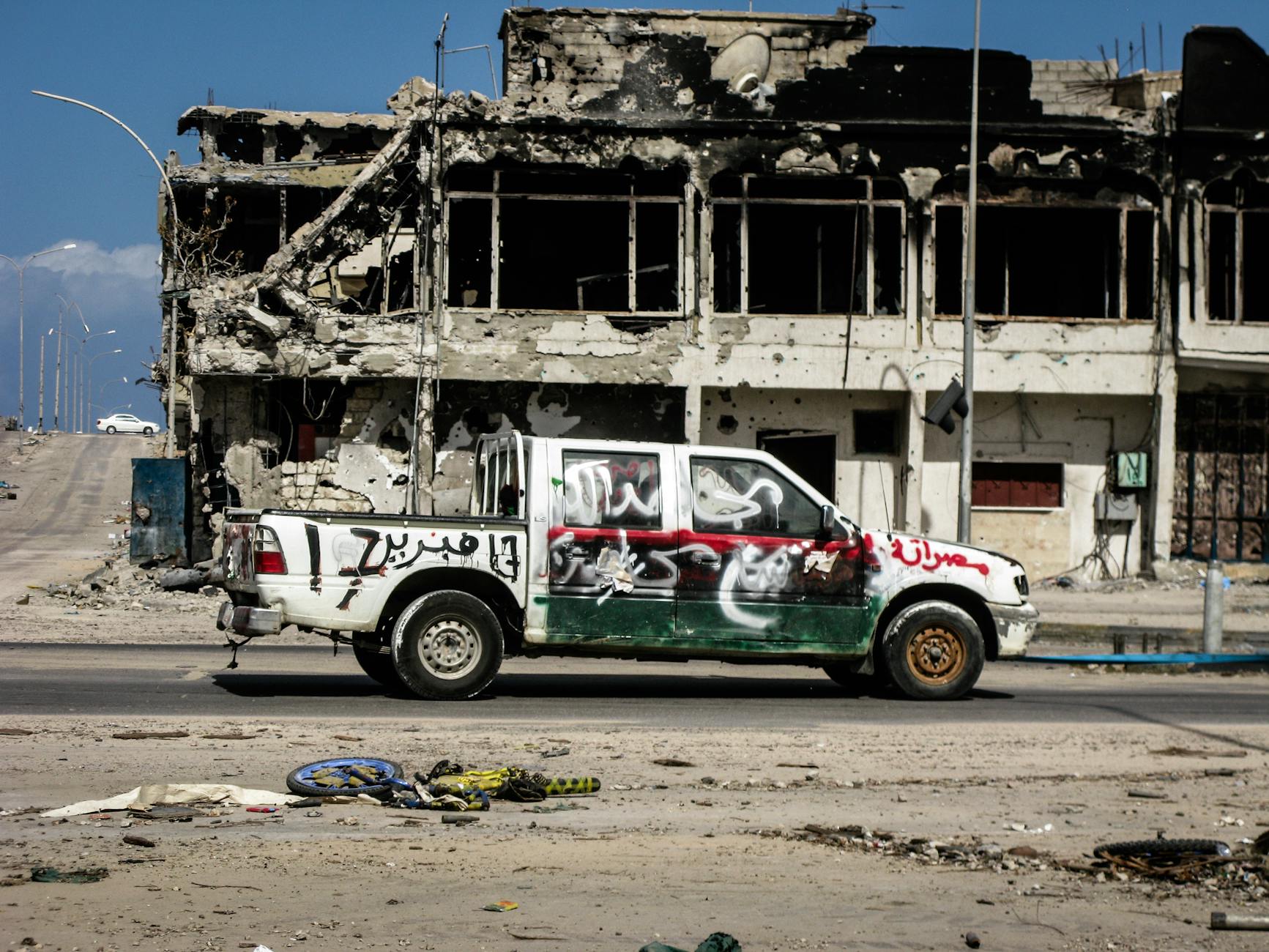
Local officials reported additional strikes on residential areas and a makeshift camp in Khan Younis, where displaced Palestinians sought shelter. The scene displayed a tragic aftermath—charred walls and debris littered the streets, sparking distress among local families. One uncle mournfully recounted the loss of his three young nieces, questioning the justification behind the violence.
Ongoing Insecurity
The Israeli military maintained that the airstrikes were not indiscriminate but rather aimed at specific militant leaders, weapons caches, and manufacturing sites associated with Hamas and its ally, Islamic Jihad.
The military's actions were reportedly ignited by an incident the previous day where troops identified and engaged multiple gunmen emerging from tunnels in southern Gaza. As tensions simmer, reports indicate that dozens of Hamas fighters remain trapped underground, further complicating the security landscape.
Wider Context of the Conflict
Since the cessation of peace negotiations, violence has continued to plague the region. Israeli fire has reportedly claimed over 500 lives, predominantly among civilians, while four Israeli soldiers have been killed by militants according to Israeli military sources. These alarming figures underline the urgent necessity for dialogue to prevent further loss of life.
Negotiations surrounding the ceasefire have become increasingly intricate, with involved parties exchanging blame over violations. U.S. officials have been pushing for both sides to honor their commitments and transition to the next stages, which include discussions surrounding Hamas disarmament and further Israeli withdrawals from Gaza.
The Road Ahead
The backdrop of these alarming developments raises critical questions about the future of peace in the region. The ongoing conflict continues to devastate civilian life and undermine any progress toward stability. The international community watches with bated breath, awaiting the next chapter in a prolonged struggle that continues to wreak havoc on innumerable lives.
While the Rafah border crossing with Egypt is set to reopen, signaling a possible shift in humanitarian access, the challenge of achieving lasting peace remains as complex as ever. Stakeholders from all sides must prioritize dialogue and engage seriously to forge a path toward a sustainable resolution that addresses the underlying issues fueling the conflict.
For further updates and comprehensive coverage on this developing story, stay tuned to our news portal.