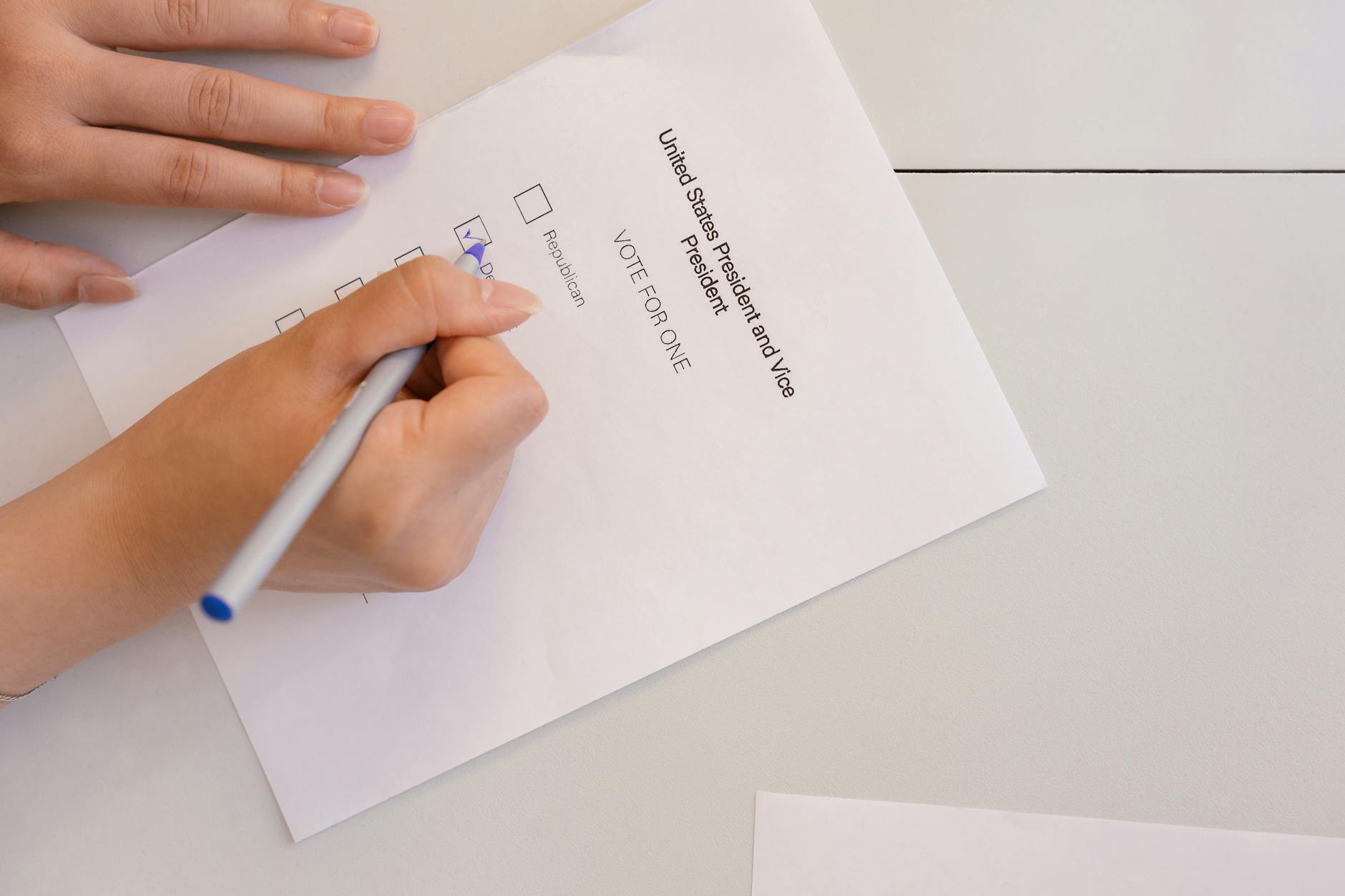
Dhaka, February 12, 2026 — Bangladeshis braved early morning temperatures to stand in long lines outside polling booths, marking the commencement of a landmark election that has the potential to reshape the South Asian nation. This election is significant as it follows the 2024 ousting of long-time Prime Minister Sheikh Hasina amid a youth-driven uprising, popularly referred to as the "Gen Z revolution."
A New Era of Democracy
The current election signifies a critical juncture in Bangladesh's political landscape, following months of unrest fueled by anti-Hasina protests that disrupted key industries, including the garment sector, which is the world's second-largest exporter. For many analysts, a decisive result is vital for steady governance in a nation that was once characterized by political turmoil.
"This election is not just another routine vote. The public awakening we witnessed against long-standing anger, inequality, deprivation, and injustice finds its constitutional expression in this election," stated Nobel laureate Muhammad Yunus, who heads an interim government following Hasina's ouster.
The Political Landscape
The election pits two coalitions against each other—one led by the Bangladesh Nationalist Party (BNP) and the other by the Islamist Jamaat-e-Islami. With opinion polls suggesting a slight advantage for the BNP, the outcome remains uncertain. Over 2,000 candidates, including many independents, are vying for 300 seats in the Jatiya Sangsad (House of the Nation), marking a national record with participation from at least 50 political parties.
Notably, the Awami League, Hasina's party, remains banned but continues to cast a long shadow over the election. Hasina now lives in self-imposed exile in India, leading some observers to suggest an opportunity for China to increase its influence in Bangladesh as relations with New Delhi sour.
Voting Process
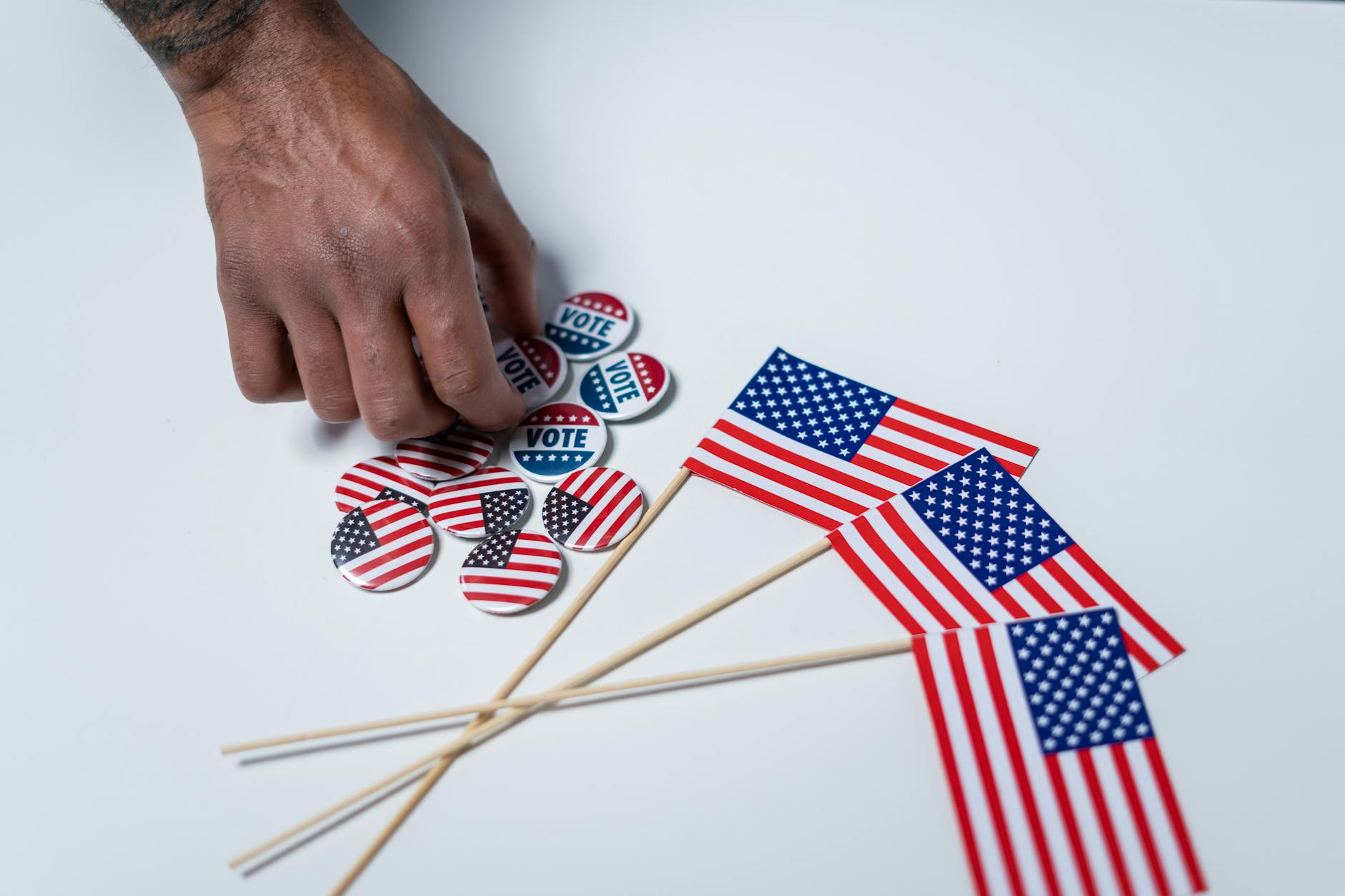
Polling began at 7:30 AM local time and will close at 4:30 PM. The counting of votes is expected to start shortly after, with initial trends likely available by midnight and full results projected for Friday morning. Approximately 128 million people are registered to vote, of which nearly 49% are women, although only 83 female candidates are contesting.
Some voters expressed their excitement about participating in a free election for the first time in 17 years. Mohammed Jobair Hossain, a 39-year-old voter, said, "I am feeling excited because we are voting in a free manner after so long. Our votes will matter and have meaning."
Ensuring Fairness
This election also features a referendum on constitutional reforms, including proposals for a neutral interim government during elections, restructuring parliament into a bicameral legislature, enhancing women’s representation, strengthening judicial independence, and instituting a two-term limit for the prime minister.
Experts emphasize the importance of conducting the elections fairly. Thomas Kean, a senior consultant with the International Crisis Group, stated, "The crucial test for Bangladesh now will be to ensure the election is conducted fairly and impartially, and for all parties to then accept the result."
To maintain law and order, more than 100,000 soldiers from various military branches are deployed alongside 200,000 police officers.
Voter Sentiment
Amidst political anticipation, some voters faced dilemmas regarding participation. While many, like rickshaw puller Chan Mia, cited financial constraints that hindered their ability to travel home to vote, others expressed disillusionment at the exclusion of Hasina's party.
However, the determination of many voters remains unshaken. Shakil Ahmed, a driver, articulated his resolve, stating, "It’s my right to vote. This time, I won’t miss it."
As Bangladesh stands at the brink of a new political horizon, the results of this election could either solidify its democratic foundations or plunge the country back into political uncertainty.
For more on the latest updates and analysis, stay tuned to our coverage.
For regular updates on global political happenings, sign up for our newsletters here.