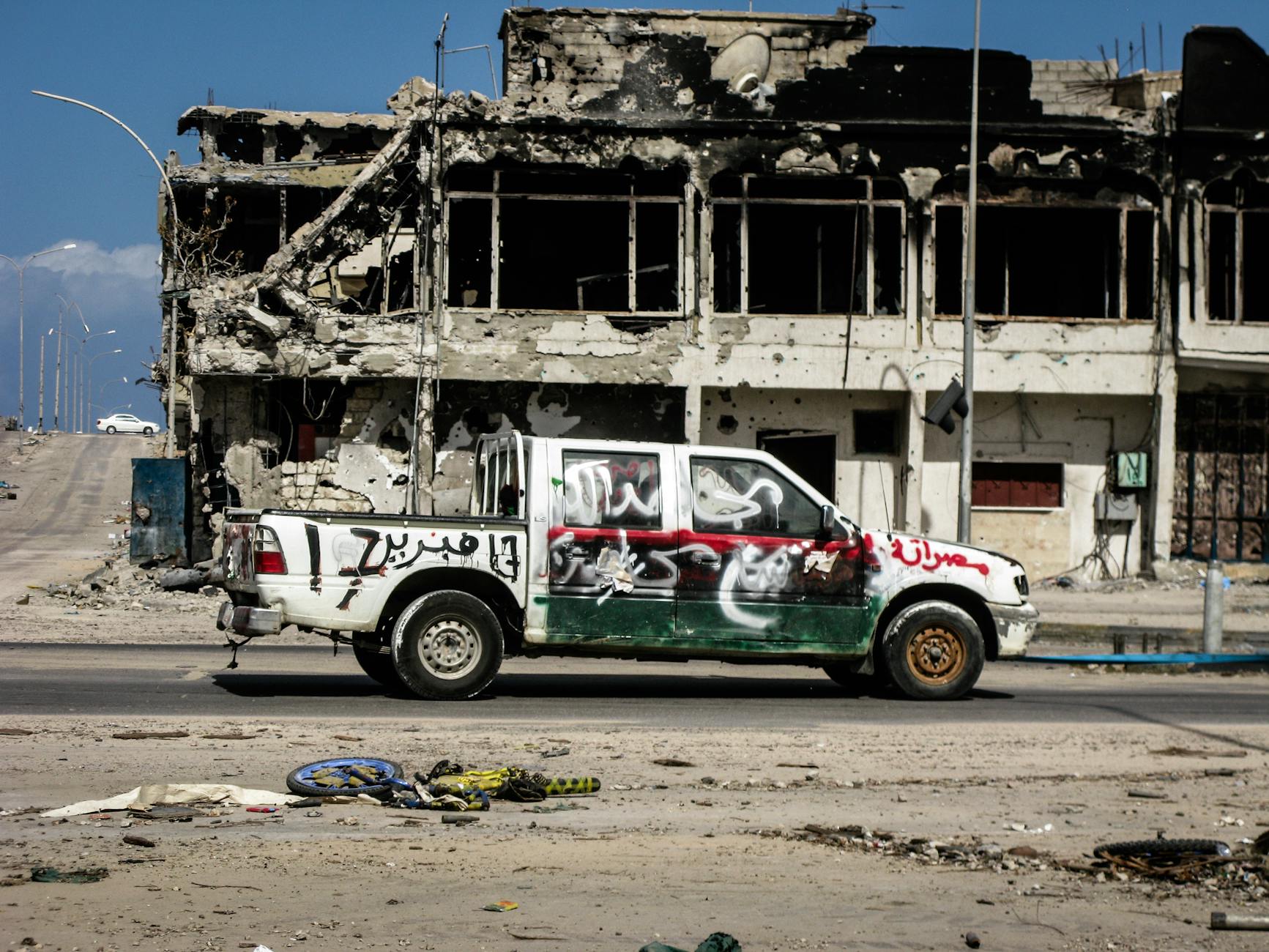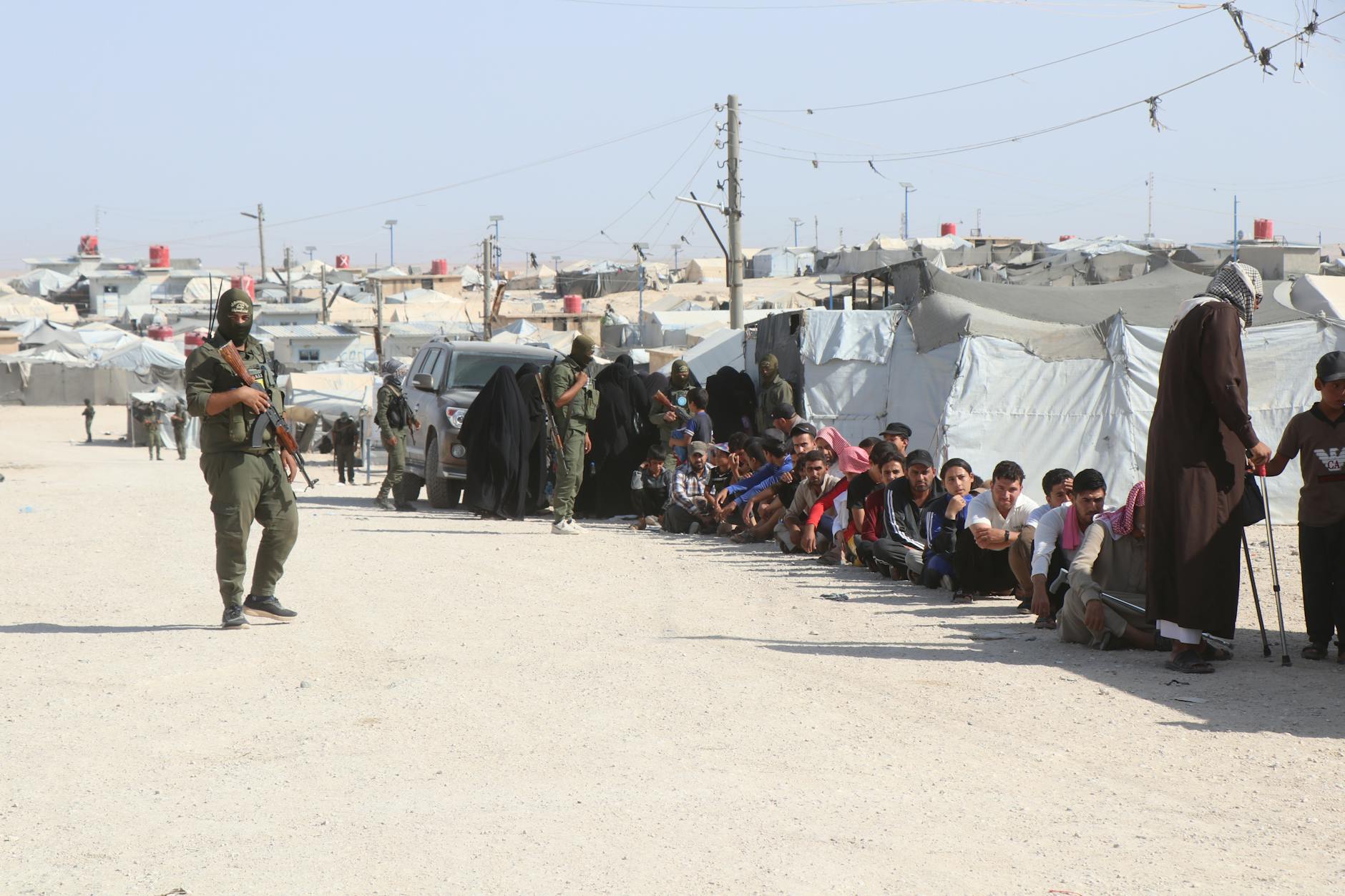
HASAKAH, Syria, February 2, 2026 – In a significant development amid Syria's ongoing conflict, government security forces began deploying into the northeastern Kurdish-held city of Hasakah on Monday, following a ceasefire agreement with the Kurdish-led Syrian Democratic Forces (SDF) announced just days prior.
A Turning Point for Syrian Governance
The ceasefire, declared on January 30, has been heralded as a potential turning point for the Syrian government under President Ahmed al-Sharaa and the SDF. This agreement marks a crucial effort towards integrating the Kurdish-led regions with the authority of the Damascus administration. With nearly 14 years of civil war ravaging the country, the ceasefire aims to foster unity and reconciliation amidst ongoing hostilities.
The Deployment and Its Implications
Witnesses in Hasakah reported a convoy of over 30 vehicles affiliated with Syria's Interior Ministry entering the city’s "security zone" shortly after the ceasefire announcement. This area has been designated for state security agencies and government military presence.
Both a Syrian official and a Kurdish security source indicated that government forces will occupy specific governmental buildings in the locality, suggesting a systematic approach to establishing authority over Kurdish-annexed regions and transitioning authority from the SDF forces to the Syrian government.
U.S. Involvement and Geopolitical Context
The United States has positioned itself in support of the ceasefire agreement, describing it as a "historic milestone" in the pursuit of stability in Syria. Once considered a key ally for U.S. forces in the battle against Islamic State (ISIS), the SDF's influence has significantly waned, especially as developments unfold with President Trump's administration forging closer ties with the Syrian government.
The swift incorporation of federal forces into Kurdish areas has been viewed by many analysts as a strategic move to regain control of an area that previously operated with significant autonomy, effectively signaling a realignment of power amidst the fragmentation seen since the outbreak of civil war in 2011.
Community Response and Future Prospects
The reaction among local populations remains diverse. While some view the influx of government forces as a necessary step towards stability, others express apprehension about increased security presence and the potential erosion of Kurdish autonomy in the region.
As the situation continues to evolve, future efforts in reconstruction and reconciliation will hinge not only on the management of military forces but also on addressing the social fabric and administrative capacities of the areas affected.
Engagement with local communities and leadership will be vital to ensure that transitioning to a government-led model does not further alienate those who have faced years of conflict.
Conclusion
With the ceasefire agreement serving as both a temporary measure to avoid conflict escalation and a long-term strategy toward integrating Kurdish regions into the broader governance framework of Syria, the coming weeks are likely to prove critical in determining the trajectory of both the Syrian government and the Kurdish-led territories.
As developments unfold, it remains essential for international observers and stakeholders to monitor the situation closely to ensure that this fragile peace is supported and that reconciliation efforts can take root amidst ongoing tensions. For continued updates, subscribe to the Reuters Gulf Currents newsletter.
For more in-depth coverage and future updates, visit Reuters.