The United States is grappling with the devastating effects of a powerful winter storm that swept across the eastern and southern regions over the weekend, leading to widespread disruptions in travel and power outages for over 850,000 customers. The storm has brought heavy snow, freezing rain, and dangerously low temperatures, prompting federal emergency declarations in at least 12 states.
Flight Cancellations Reach Record High
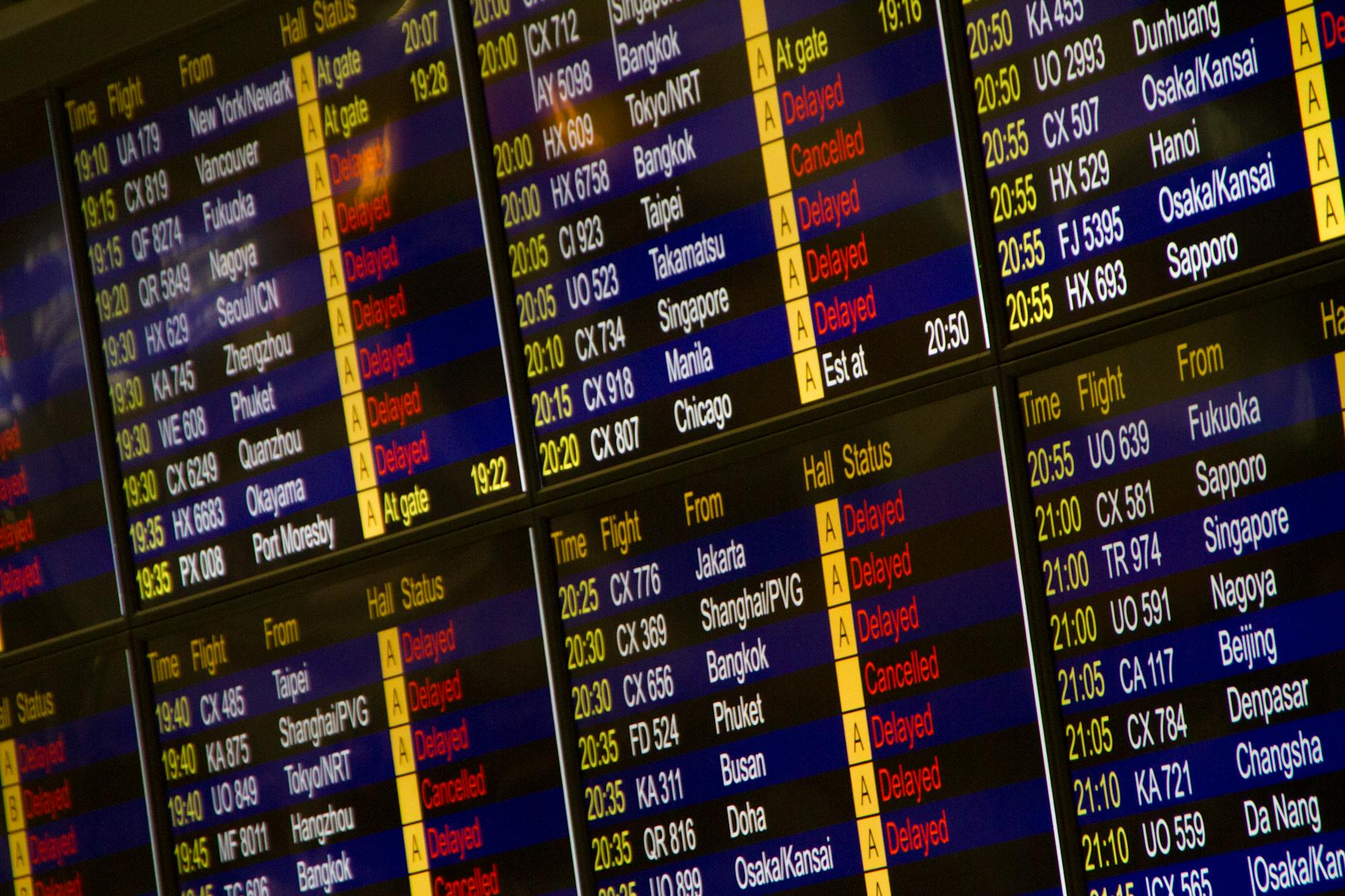
On Sunday, more than 10,200 flights were canceled across the country, according to data from the flight tracking website FlightAware. This adds to over 4,000 cancellations recorded on Saturday, leaving travelers stranded as major airports, including the Ronald Reagan National Airport in Washington D.C., halted operations entirely.
Delta Airlines announced plans to operate on a reduced schedule, urging caution as weather conditions remained perilous. “We will continue to monitor real-time conditions,” the airline stated in a public message, suggesting that cancellations might persist throughout the week.
Electricity Outages and State Response
The winter storm has left numerous regions without power, particularly affecting states like Tennessee, Mississippi, Texas, and Louisiana, where the number of outages reached alarming levels. According to PowerOutage.us, as of Sunday morning, over 290,000 customers were without electricity in Tennessee alone, with additional outages reported across the Southeast.
In response to the weather crisis, President Trump has declared federal disaster emergencies in several states, including South Carolina, Virginia, Georgia, and North Carolina. He emphasized the need for residents to prepare adequately, urging them to stock up on essentials like food and fuel.
National Weather Service Warnings
The National Weather Service (NWS) issued dire warnings about the storm’s impact, forecasting heavy snow ranging up to 18 inches in parts of the Northeast, with freezing rain expected across the Southeast and Mid-Atlantic. The NWS warned of “prolonged hazardous travel and infrastructure impacts,” highlighting concerns about the dangerously cold temperatures and the risk of frostbite and hypothermia.
Emergency Measures by Government Agencies
The Department of Homeland Security and the Department of Energy acted swiftly to mitigate the impact of the storm. Secretary Kristi Noem cautioned Americans about the severity of the cold, emphasizing the importance of taking precautions and monitoring weather updates.
The DOE authorized emergency measures permitting the Electric Reliability Council of Texas to deploy backup generation resources to prevent blackouts. The grid operator PJM Interconnection was also granted the authority to operate “specified resources” to provide relief in regions heavily impacted by the storm.
Dominion Energy reported that this winter event could be among the largest it has dealt with given the icy forecasts, as it manages the expansive collection of data centers within its Virginia operations.
Looking Ahead
Forecasts suggest that the storm is not likely to dissipate quickly. The cold weather and compounded travel difficulties are expected to last well into the week, with varied impacts across different states. Authorities are urging all residents in affected areas to remain vigilant and prepared for persistent extreme weather conditions.
“With the Thanksgiving holiday approaching, it is critical that travelers plan ahead and remain informed about flight statuses and weather updates,” the airline industry urged in a statement.
Given the storm’s unprecedented nature and the widespread disruption, affected states and federal authorities will continue to monitor conditions as they evolve.
In the midst of such turmoil, community cooperation and preparedness will be key to overcoming the challenges posed by this formidable winter storm.