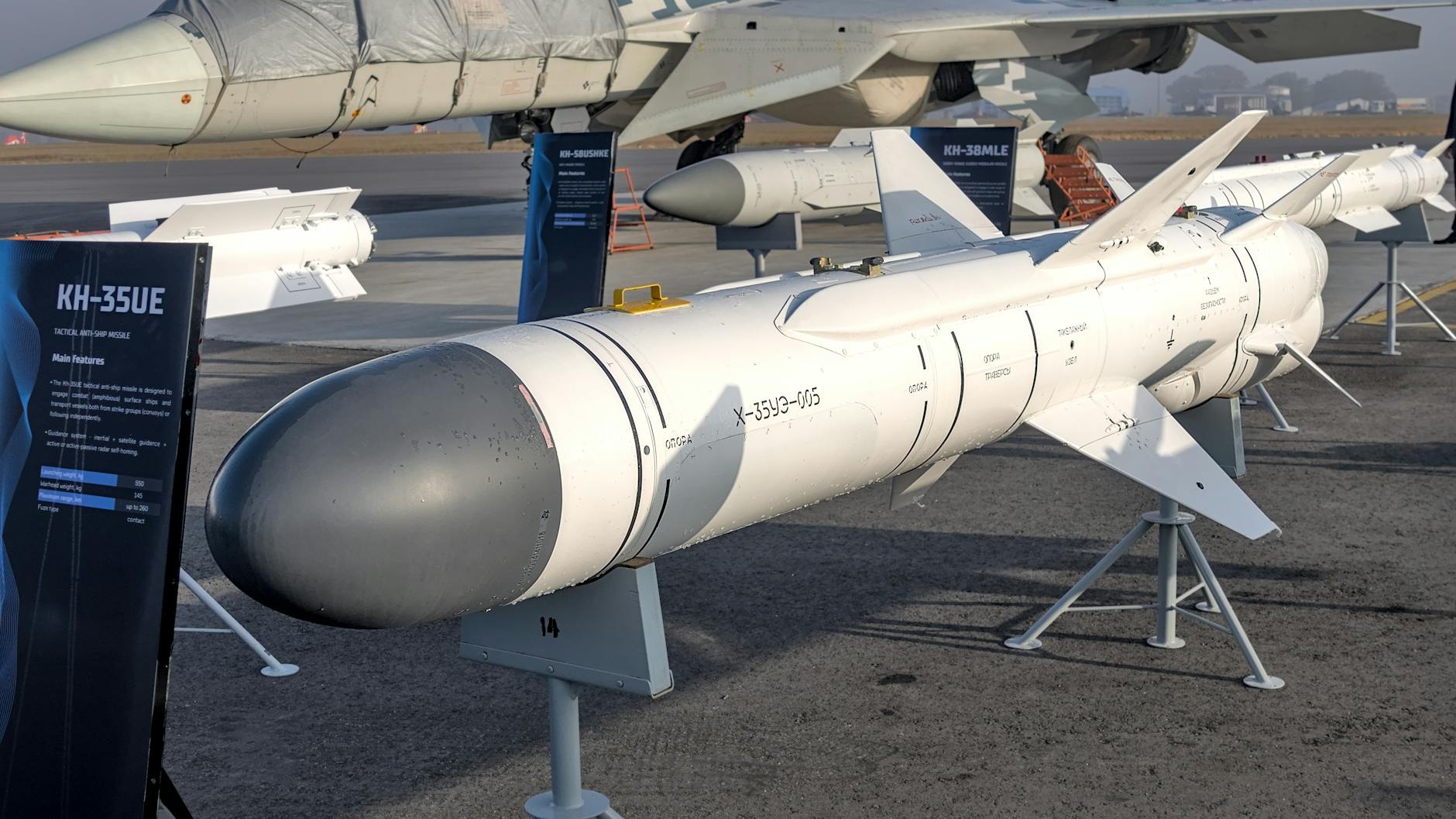
Washington/Jerusalem/Tel Aviv, March 24, 2026 – The already flammable situation in the Middle East ignited once more as Iran launched multiple waves of missiles into Israel, according to reports from the Israeli military. The missile strikes triggered air raid sirens across Israeli cities, including the bustling metropolis of Tel Aviv, where residents reportedly heard explosions from interception attempts. Thankfully, preliminary reports indicate that there were no fatalities, although some homes in northern Israel were damaged by debris from intercepted missiles.
Iranian Response to U.S. Diplomatic Talks
The military aggression from Iran coincides with a controversial announcement from U.S. President Donald Trump, who recently postponed an ultimatum to attack Iran's power grid. Trump took to social media to declare that the U.S. and Iran had engaged in "very good and productive" discussions about achieving a "complete and total resolution of hostilities in the Middle East." This statement momentarily sparked a relief rally in global financial markets, pushing share prices higher and reducing oil prices below $100 a barrel.
However, the optimism was short-lived. Iranian officials quickly rebuffed Trump’s claims, with Mohammad Baqer Qalibaf, the powerful speaker of Iran’s parliament, asserting on social media that "No negotiations have been held with the U.S.," and calling Trump's remarks a manipulation tactic designed to influence financial and oil markets. This statement threw cold water on the hopeful rhetoric coming from Washington.
Instability in Global Markets
As the dust settles from the missile strikes, it's evident that the complex interplay of military action and diplomatic dialogues is having significant implications on global markets. The announcement of ongoing battles in the region has sent oil prices skyrocketing once again, with Brent crude futures rising by 4.2% to reach $104.21 a barrel, reversing some of the declines seen after Trump's previous comments.
Tony Sycamore, an analyst at IG, expressed concerns about the fragility of the current situation, stating, “The underlying situation is still incredibly fragile or flammable.” Global markets continue to react to a plethora of conflicting signals from Tehran and Washington, contributing to an atmosphere of uncertainty.
U.S.-Israel Relations and Continued Military Actions
In the wake of these escalations, Israeli Prime Minister Benjamin Netanyahu emphasized in a video statement that Israel would persist in its military actions against Iran and its affiliates in Lebanon. Despite Trump's assertions of potential negotiations, Netanyahu indicated that military objectives remain a priority, suggesting that any diplomatic successes must be backed by military strength.
Furthermore, both President Trump and Netanyahu appear to be banking on the possibility of achieving a negotiated framework that would safeguard Israeli interests while potentially normalizing relations with Tehran.
International intermediaries including Pakistan, Egypt, and Gulf states have reportedly been relaying messages between the two countries, with sources indicating that a meeting between U.S. officials and Iranian representatives could occur in Islamabad as soon as this week.
Regional and Global Implications
The ramifications of this conflict extend far beyond the borders of Israel and Iran. The Strait of Hormuz, a critical channel for oil trade through which approximately 20% of the world’s oil supply flows, remains under strain. Iran had previously threatened to disrupt navigation in the strait, raising fears of a prolonged energy crisis affecting global economies.
As tensions rise, the situation calls into question the efficacy of diplomatic channels and the weight of military might in achieving peace. As the world watches with bated breath, many are left wondering what the next chapter holds in this ongoing saga of conflict and negotiation.
In Closing
The confrontation between Iran and Israel illustrates the precarious balance of diplomacy and military strategy amid an ongoing regional war. With reports of rapid developments emerging daily, the international community remains alert to the evolving dynamics in the Middle East. As talks try to materialize amidst missile strikes, the critical question for all parties involved is whether diplomacy can prevail in the face of aggression, or if military action will continue to dictate the terms of engagement.
For ongoing updates on developments in this situation and other international news, be sure to keep visit our news portal.