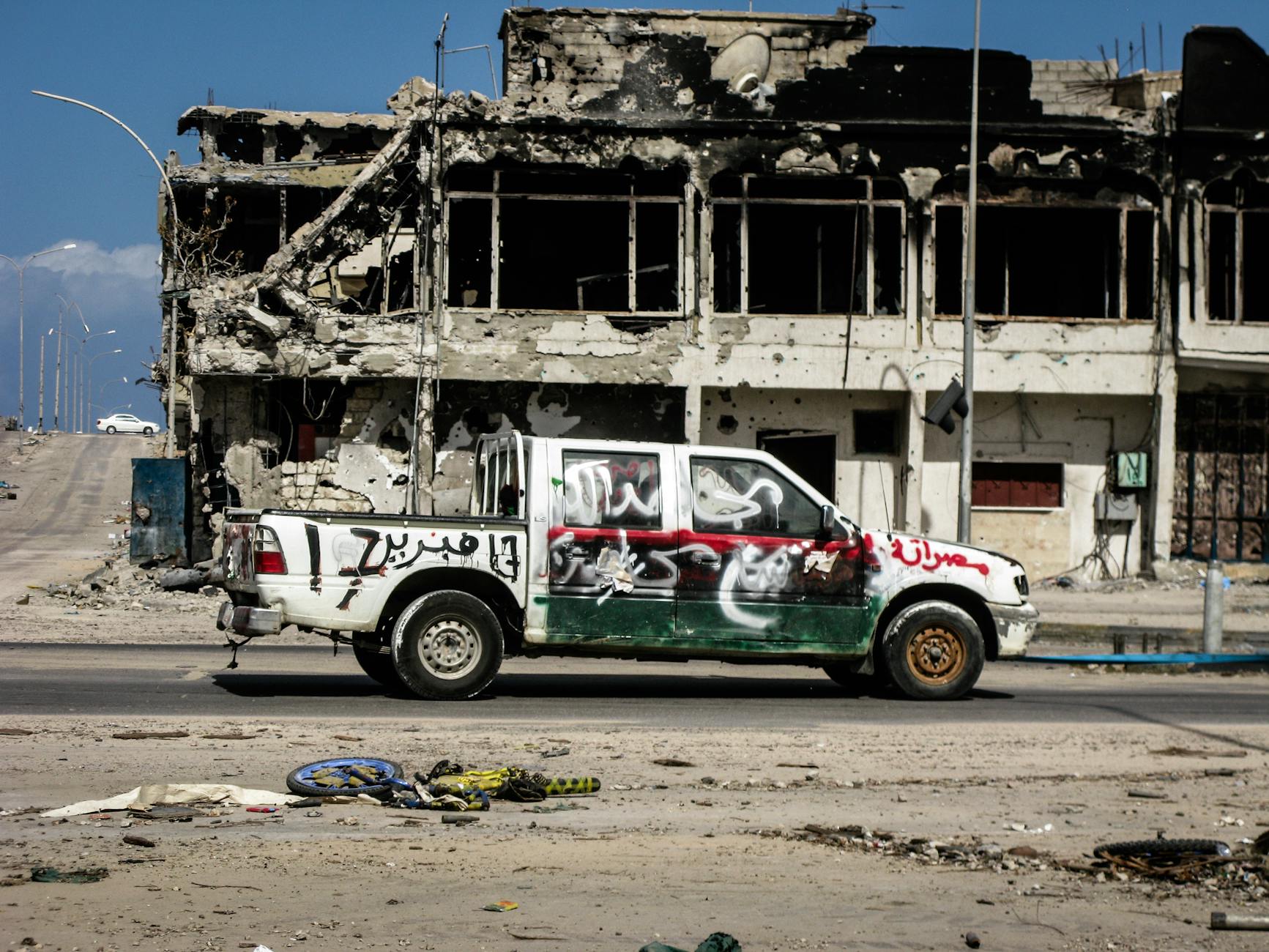
LAGOS, Nigeria (Dec 27, 2025) — In a significant move aimed at combating the escalating threat of Islamic State (ISIS) militants, the United States has carried out airstrikes on two ISIS-linked camps in Nigeria’s Sokoto State. This military action, executed on Thursday with the approval of Nigerian President Bola Tinubu, reflects an urgent response to security concerns following the insurgents' infiltration from the Sahel region.
Strategic Targets
The aerial assaults targeted camps identified as harboring foreign fighters, who were allegedly collaborating with local affiliates to orchestrate large-scale attacks on Nigeria. According to the Nigerian government statement, the strikes were made possible through advanced intelligence gathering and operational planning. A total of 16 precision munitions were deployed from MQ-9 Reaper unmanned aerial vehicles, effectively neutralizing the threats posed by the ISIS elements.
U.S. President Donald Trump announced the airstrikes via Truth Social, emphasizing their necessity due to the ISIS group's targeting of Christians in the region. “We will see more to come,” Trump cautioned, framing the operation as a success with "numerous perfect strikes."
On-the-Ground Impact
While the Nigerian government reported no civilian casualties from the strikes, local residents in the towns of Sokoto and Kwara noted debris falling in their communities. Officials from Sokoto State reassured the public, urging calm and emphasizing that the ongoing military operations are focused on securing the region and safeguarding lives and property.
“This operation underscores our commitment to counter-terrorism,” stated the Sokoto State government. By establishing stronger ties and collaboration with the U.S., Nigeria is stepping up its fight against a spreading insurgency that has plagued the nation for over a decade.
International Concerns and Regional Cooperation
The recent airstrikes highlight a growing international concern as foreign fighters with links to ISIS venture beyond the Sahel into Nigeria, signaling a potential escalation of violence that can destabilize the region further. The presence of foreign militants complicates an already tumultuous security environment, with the Nigerian government reiterating its commitment to combating transnational extremist networks.
Nigeria’s struggle against Islamist insurgency has taken a turn, necessitating greater military collaboration with U.S. forces. This partnership represents a rare instance of direct military intervention by the U.S. in Nigerian conflicts, suggesting a pivotal shift in how both nations may address the threats posed by jihadist groups.
Moving Forward
As Nigeria braces for potential retaliatory attacks from ISIS and its affiliates, the ongoing operations serve as a pivotal moment in the collaboration between Abuja and Washington. The use of advanced military technology and intelligence-sharing could redefine the future landscape of defense strategies in Africa.
Amid rising tensions, the Nigerian government continues to advocate for the protection of its citizens, promising further actions to secure the nation against extremist threats. With the stakes higher than ever, developments in this collaboration will be closely monitored by both international observers and local communities impacted by the conflict.
For updates on this developing story, follow our coverage.