BANGKOK/PHNOM PENH, December 10, 2025 — The simmering tensions between Thailand and Cambodia have erupted into renewed clashes, with reports of artillery and rocket fire exchanging between the two nations along their 817-km (508-mile) border. U.S. President Donald Trump has stepped into the fray, claiming he can facilitate an end to the conflict that has ensued since last Monday, reviving concerns over stability in Southeast Asia.
Tensions Resurface
The recent escalation marks some of the most intense fighting in years, reviving memories of a five-day battle in July that Trump managed to halt using diplomatic negotiations. As artillery and rocket attacks escalate, the region faces a humanitarian crisis, with civilians caught in the crossfire of the conflict. Reports indicate at least nine casualties in Cambodia, including an infant, and several injuries on both sides.
The root of the conflict lies in longstanding territorial disputes and mutual accusations of encroachment. Both sides have blamed each other for initiating the violence, with Thailand accusing Cambodia of targeting civilians and conducting drone strikes, while Cambodia claims that Thailand has been using heavy artillery and has violated its airspace.
Trump’s Call to Action
At a rally in Pennsylvania, Trump expressed his intention to intervene, stating, "Tomorrow I am going to have to make a phone call… Who else could say, 'I'm going to make a phone call and stop a war of two very powerful countries'?" This self-assured proclamation comes despite Thai Prime Minister Anutin Charnvirakul's assertion that the resolution of the conflict requires more than just a phone call, emphasizing a need for a proper process and agreed-upon discussions.
"Other national leaders may have good intentions in wanting peace," Anutin said, making it clear that the complicated geopolitical scenario cannot be de-escalated so simply.
Regional Reactions and Mediating Efforts
Malaysian Prime Minister Anwar Ibrahim, who previously aided Trump in brokering a ceasefire earlier this year, reported he had spoken to both Cambodian and Thai leaders, hoping for further negotiations to ease rising hostilities. However, immediate resolutions seem unlikely as military operations continue.
Additionally, Cambodia has announced the withdrawal of its athletes from the Southeast Asian Games being held in Thailand due to safety concerns amidst the escalating violence.
Humanitarian Impact
As fighting rages on, thousands of civilians are evacuated from the border regions. Many families have been caught in the crossfire as they seek refuge from the violence. Others, such as Wuttikrai Chimngarm, the head of a village, chose to stay behind to protect their property from looting during the chaos: "I have to stay behind… Who will be safeguarding the houses and belongings of the villagers from looters?"
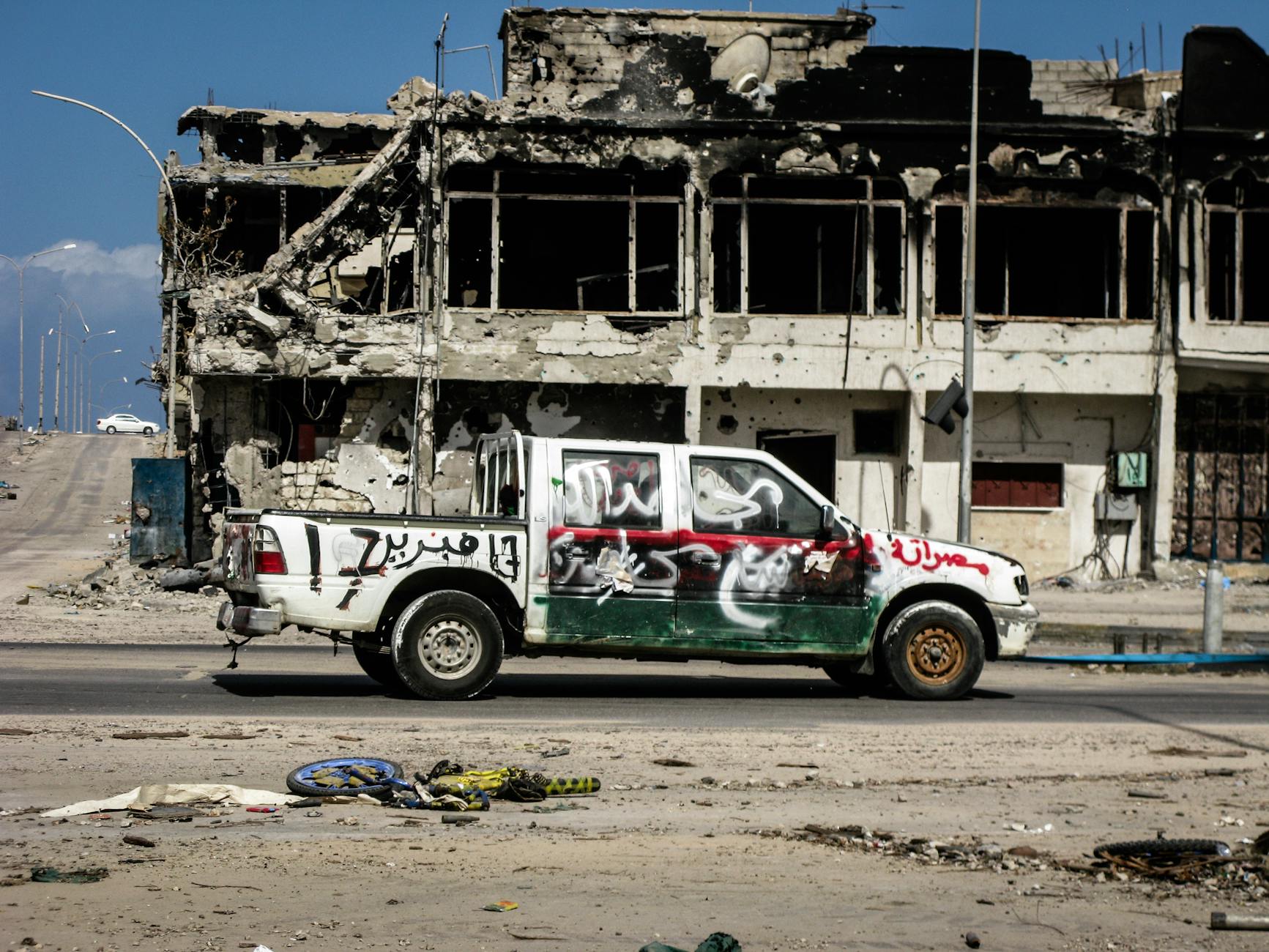
In response to the ongoing situation, housing and evacuation plans are of growing concern. Reports suggest that homes and hospitals have been targeted, raising alarms about the potential for further humanitarian crises.
Escalation of Military Aggression
Over the last few days, military engagements have reportedly occurred on 16 fronts along the border. Both sides have deployed tanks, drones, and other military equipment, with heavy artillery reported in action. The Cambodian defense ministry has issued statements affirming their military's commitment to resisting what they describe as aggressive incursions from Thai forces.
In response to the military actions, Thailand reportedly made plans to enhance its military capabilities against Cambodia, signaling that tensions may continue to escalate if talks do not proceed effectively.
Conclusion
As international observers monitor the situation closely, Trump's potential intervention may hold significant implications for not just Thailand and Cambodia but for regional stability in Southeast Asia. The events unfolding at the border could reshape not only the lives of civilians caught in the conflict but also the diplomatic relationships between nations engaged in longstanding disputes.
For now, the world watches as both nations grapple with the consequences of war, and the hope for a peaceful resolution remains dim as military operations persist and humanitarian concerns grow.